 Save
Save The smell of venison searing in a hot pan always takes me straight back to a dimly lit kitchen on a November evening, windows fogged with steam. I'd never cooked game meat before that night, and I was certain I'd ruin it. But something about the earthy thyme and the quick, confident sizzle made me feel like I knew exactly what I was doing. That first bite, pink in the middle and resting on a bed of something creamy and unexpected, changed how I thought about weeknight dinners. It wasn't fancy, it was just honest.
I made this for a small dinner once when the power had flickered all afternoon and I wasn't sure we'd even have working burners by evening. The candles stayed lit, the stove cooperated, and everyone went quiet when they took their first forkful. One friend looked up and said it tasted like winter in the best possible way. I've never forgotten that, and I've never stopped making this when the air turns cold and I want something that feels both comforting and a little bit special.
Ingredients
- Venison steaks: Lean, rich, and quick to cook, venison rewards a hot pan and a light hand; don't cook it past medium or it turns tough.
- Olive oil: Just enough to coat the meat and help the thyme stick without making things greasy.
- Fresh thyme leaves: Woodsy and gentle, thyme is venison's best friend and doesn't need much else to shine.
- Swede: Also called rutabaga, it becomes sweet and silky when boiled long enough, with none of the starchiness of potatoes.
- Unsalted butter: Adds richness to the mash and a glossy finish to the optional sauce without overpowering anything.
- Double cream: A small pour makes the swede luxurious, though milk works fine if you want to keep it lighter.
- Caraway seeds: Toasting them wakes up their anise-like warmth, a flavor that feels old-fashioned in the loveliest way.
- Red wine: Any drinkable red will deglaze the pan and build a sauce that tastes more complex than the effort suggests.
- Beef or game stock: Deepens the sauce and ties everything together with a savory backbone.
- Redcurrant jelly: A spoonful of tart sweetness that balances the richness and makes the sauce cling to the meat.
Tired of Takeout? 🥡
Get 10 meals you can make faster than delivery arrives. Seriously.
One email. No spam. Unsubscribe anytime.
Instructions
- Boil the swede until tender:
- Bring a large pot of salted water to a rolling boil, drop in the diced swede, and let it cook for 20 to 25 minutes until a fork slides through with no resistance. Don't rush this, the swede needs time to soften completely or the mash will be lumpy and sad.
- Prepare the venison:
- While the swede bubbles away, pat the steaks dry with paper towel, then rub them all over with olive oil, fresh thyme, salt, and pepper. Let them sit at room temperature so they cook evenly and don't seize up in the pan.
- Toast the caraway seeds:
- Heat a dry pan over medium heat, add the caraway seeds, and shake them gently for a minute or two until they smell warm and faintly sweet. Set them aside before they burn.
- Mash the swede:
- Drain the cooked swede well, return it to the pot, and add butter, cream, toasted caraway, salt, and pepper. Mash it with a potato masher until mostly smooth but still a little rustic, then keep it warm on the lowest heat.
- Sear the venison:
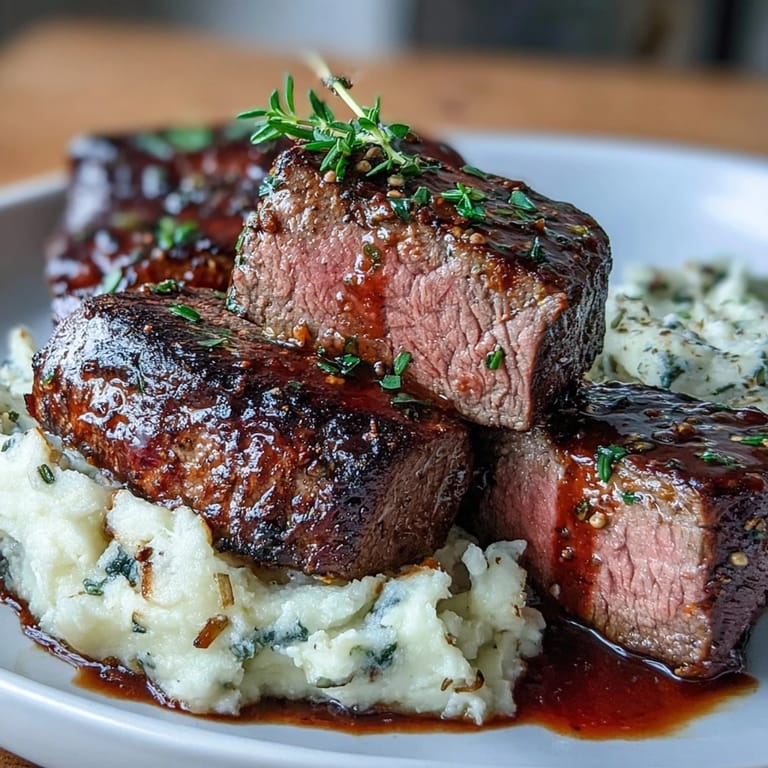
- Heat a heavy skillet or griddle pan over medium-high heat until it's properly hot, then lay the steaks in and sear for 2 to 3 minutes per side for medium-rare. Let them rest on a warm plate, loosely covered, for 5 minutes so the juices settle back into the meat.
- Make the optional sauce:
- In the same pan, pour in the red wine and scrape up all the browned bits, then add stock and redcurrant jelly. Let it bubble and reduce until it's thick and glossy, then whisk in cold butter off the heat and season to taste.
- Serve:
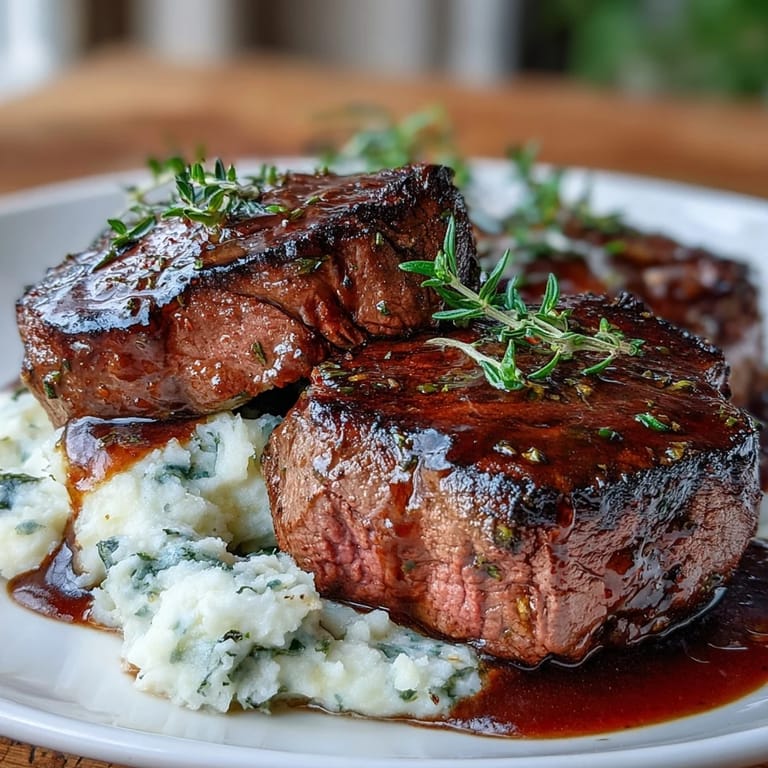
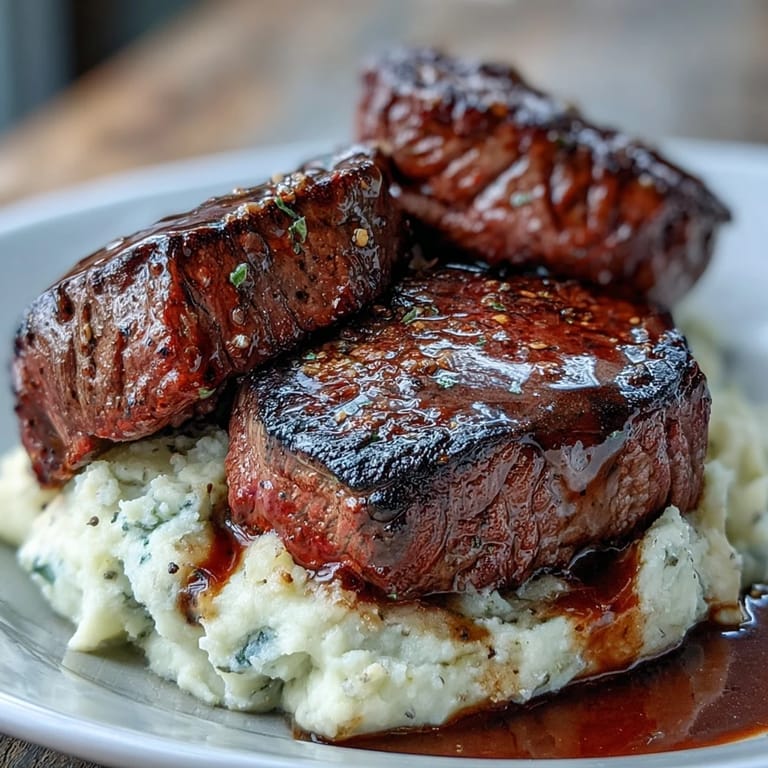
- Spoon the caraway crushed swede onto plates, rest the venison steaks on top, and drizzle the sauce over if you made it. Serve immediately while everything is warm and the venison is still blushing pink in the middle.
 Save
Save There was a night I served this to someone who swore they hated gamey meat, and I watched them scrape their plate clean without a word. Later they admitted they'd been bracing for something strong and livery, but instead it just tasted clean and earthy and right. That quiet victory, that moment of someone changing their mind with a forkful of food, is why I keep coming back to this recipe when I want to surprise people.
Choosing Your Venison
Look for steaks that are deep red with a fine grain, and don't be afraid to ask your butcher where the venison came from. Farmed venison tends to be milder and more consistent, while wild venison has a deeper, more mineral flavor that some people adore and others find too intense. Either works beautifully here, but knowing what you're starting with helps you decide how bold to go with the sauce.
Timing the Rest
Resting the venison isn't optional, it's the difference between juicy, tender meat and something that bleeds all over your plate and tastes dry. Those five minutes let the muscle fibers relax and reabsorb the juices, and covering the steaks loosely with foil keeps them warm without steaming them. I've skipped this step exactly once, and I learned my lesson when the cutting board turned into a small red lake.
Making It Your Own
Swede is traditional and lovely, but you can swap in parsnip or celeriac for half the amount if you want a sweeter or more peppery mash. A pinch of nutmeg in the swede adds warmth, and a handful of sauteed winter greens on the side turns this into a complete, balanced plate. If you're skipping the sauce, a drizzle of good olive oil and a sprinkle of flaky salt over the venison works beautifully on its own.
- Try adding a tablespoon of horseradish to the swede mash for a gentle kick that pairs wonderfully with venison.
- If you don't have redcurrant jelly, a small spoonful of blackcurrant jam or even a dash of balsamic vinegar will do the trick.
- Leftovers (if you're lucky enough to have any) make an excellent warm salad the next day with bitter leaves and a mustard vinaigrette.
 Save
Save This dish doesn't need much fuss or fancy plating, it just needs to be warm and honest and made with care. Serve it to people you want to feed well, and let the venison speak for itself.
Recipe FAQs
- → What doneness is best for venison steaks?
Medium-rare is ideal for venison steaks, cooking 2-3 minutes per side. Venison is very lean, so overcooking can make it tough and dry. Use a meat thermometer for 130-135°F internal temperature.
- → Can I substitute the swede with another vegetable?
Yes, you can use parsnip or celeriac for half the swede, or try a full substitution with potatoes or sweet potatoes. Each will bring a different flavor profile while maintaining the creamy texture.
- → How do I know when the swede is tender enough?
The swede should be easily pierced with a fork or knife after 20-25 minutes of boiling. It should feel soft throughout with no resistance in the center when tested.
- → Is the red wine sauce necessary?
No, the sauce is optional. The venison and caraway swede are delicious on their own, but the red wine sauce with redcurrant jelly adds a restaurant-quality finish and extra richness to the dish.
- → What side dishes pair well with this meal?
Sautéed winter greens like kale or chard, roasted root vegetables, or steamed green beans complement the venison beautifully. The dish is already quite hearty, so lighter vegetable sides work best.
- → Can I make the swede mash ahead of time?
Yes, you can prepare the caraway swede mash up to 2 days in advance. Store covered in the refrigerator and reheat gently with a splash of cream or milk, stirring frequently to restore the creamy texture.