 Save
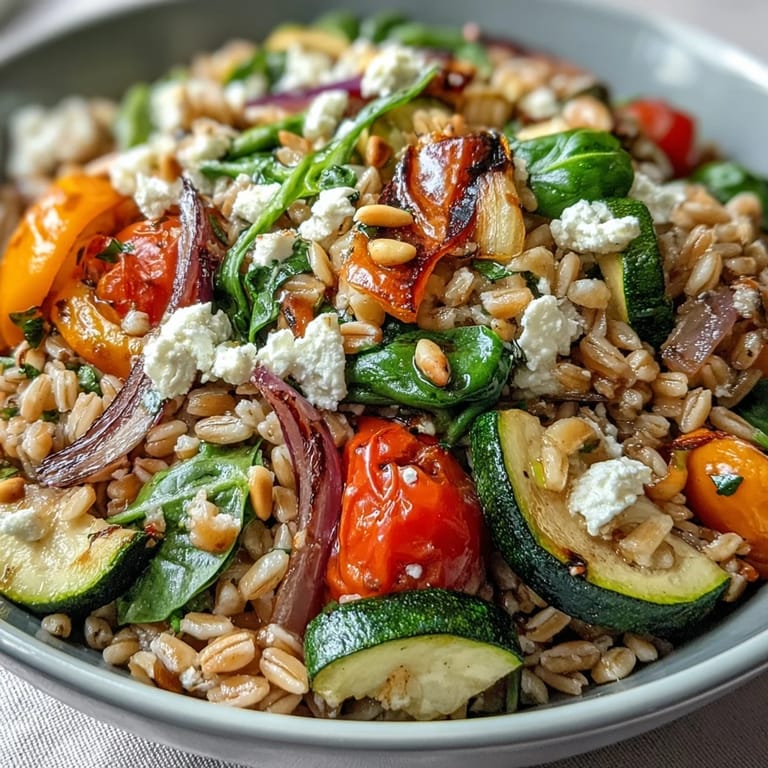
Save My neighbor showed up one afternoon with a bundle of zucchini from her garden, and I found myself staring at the abundance wondering what to do with it all. That's when I remembered a bowl I'd eaten at a small trattoria in Rome years ago—nothing fancy, just perfectly cooked grains tossed with whatever vegetables were at their peak, dressed simply with good olive oil and lemon. I decided to recreate that feeling right there in my kitchen, and somehow this farro pasta bowl became the dish I make whenever I want something that tastes both light and deeply satisfying.
I made this for my partner last month when they came home exhausted from a long project, and watching them eat it slowly at the kitchen counter, noticing the different flavors and textures, reminded me why simple food matters. They asked for the recipe, and when I explained it was mostly just vegetables and pasta, they looked surprised—as if something this good should require more effort. That's the magic of it, really.
Ingredients
- Farro pasta (250 g): The grain has a slightly chewy texture and earthy, almost nutty taste that regular pasta can't quite match; cook it just until al dente or it becomes too soft and loses its character.
- Zucchini (1 medium, diced): Cut into pieces about the size of a cherry tomato so it cooks evenly without becoming waterlogged, and use a medium heat so it stays bright and tender.
- Red and yellow bell peppers (1 each, diced): The sweetness balances the earthiness of the farro, and their different colors make the bowl visually interesting; they're done when slightly softened but still with a little snap.
- Cherry tomatoes (150 g, halved): Halving them releases their juice into the pan and creates a light sauce as they break down during cooking.
- Baby spinach (100 g): Add this at the very end so it wilts from residual heat and keeps its bright green color and delicate texture.
- Red onion (1 small, finely sliced): The sharpness provides contrast to the sweet vegetables; I learned to slice it thin so it softens quickly without overwhelming the dish.
- Garlic (2 cloves, minced): Mince it small so it distributes evenly and toasts just slightly in the oil, releasing its aroma without turning bitter.
- Extra virgin olive oil (60 ml): Use the best quality you can find for the dressing because it's not being cooked, so its flavor stays pure and vibrant.
- Lemon juice (2 tbsp, freshly squeezed): Fresh juice is essential here; bottled tastes sharp and one-dimensional compared to the brightness you get from squeezing it yourself.
- Dried oregano (1 tsp): This Mediterranean herb ties the whole dish to its inspiration, and a teaspoon is enough to be present without taking over.
- Sea salt and black pepper (1/2 tsp and 1/4 tsp): Season conservatively at first because the feta adds saltiness later.
- Feta cheese (60 g, crumbled): The tanginess cuts through the richness of the olive oil and adds a salty, umami note that makes everything taste more intentional.
- Fresh parsley (2 tbsp, optional): A handful of fresh herbs at the end wakes up the whole bowl, especially if you're serving it at room temperature.
- Toasted pine nuts (2 tbsp, optional): Toast them yourself in a dry pan for 2-3 minutes until fragrant; they add a buttery richness and textural contrast that feels like a small luxury.
Tired of Takeout? 🥡
Get 10 meals you can make faster than delivery arrives. Seriously.
One email. No spam. Unsubscribe anytime.
Instructions
- Get your water boiling:
- Fill a large pot with salted water—enough so the pasta moves freely as it cooks—and bring it to a rolling boil, which takes longer than you'd think but pays off by cooking the pasta evenly. While you wait, you can start prepping your vegetables, and the steam from the pot will warm your kitchen in a comforting way.
- Cook the farro until just tender:
- Add your pasta and stir it once or twice to prevent sticking, then set a timer for whatever the package says (usually around 12-15 minutes for pasta, longer if you're using whole farro). Start tasting a minute or two before the timer goes off so you catch it at that perfect al dente moment, when it has a tiny bit of resistance in the center but isn't hard or crunchy.
- Build flavor in the skillet:
- While the pasta cooks, heat two tablespoons of olive oil in a large skillet over medium heat until it shimmers slightly, then add your red onion and garlic. Let them sit and soften for about two minutes—you'll smell them becoming fragrant and golden, which is exactly when you know they're ready.
- Sauté the vegetables until they're tender but still bright:
- Add the zucchini, bell peppers, and cherry tomatoes all at once and stir them around to coat with the oil. Let them cook for 6-8 minutes, stirring occasionally, until the zucchini develops slight golden edges and the tomatoes have released their juice into the pan—the whole skillet will smell like summer, and that's how you know it's working.
- Wilt in the spinach just before serving:
- When the vegetables are almost done, add your baby spinach and stir gently for about a minute until it turns a deeper green and becomes silky. Don't overthink this step—the residual heat does most of the work, and you want it to stay tender and bright green, not mushy.
- Make the dressing while everything finishes:
- In a small bowl, whisk together your remaining olive oil, fresh lemon juice, oregano, salt, and pepper, tasting and adjusting as you go. The dressing should taste lively and a bit sharp (the lemon brightness), knowing that it will mellow once it coats the warm pasta.
- Bring everything together:
- Drain the pasta well, then add it to a large bowl with the sautéed vegetables and dressing, tossing everything together gently but thoroughly so each piece gets coated. The warmth of the pasta will help the dressing distribute and the flavors will start to marry immediately.
- Serve and garnish:
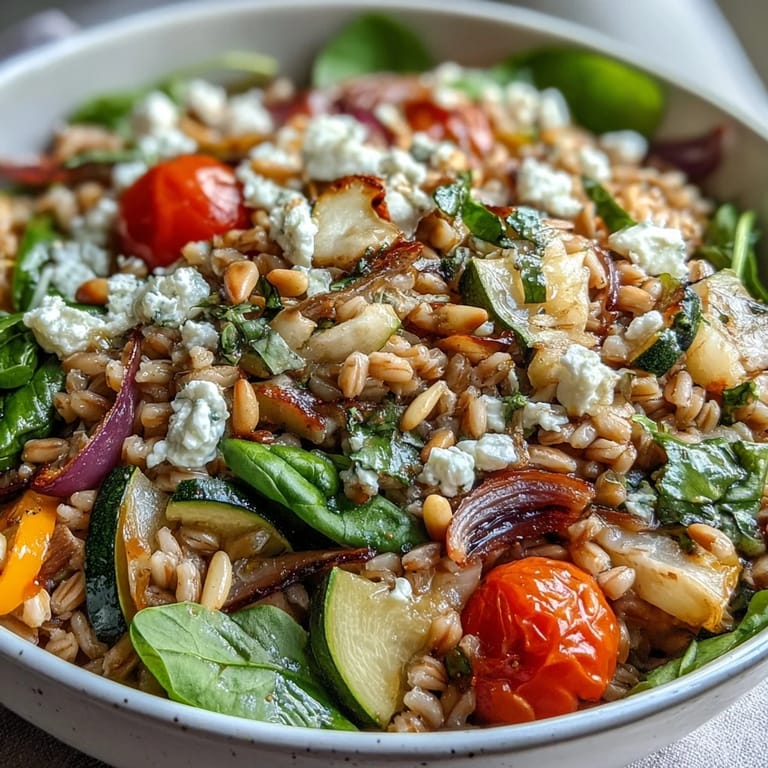
- Divide the pasta into bowls and top each with crumbled feta, fresh parsley, and toasted pine nuts if you have them. You can serve this warm from the skillet or let it cool to room temperature, and it's honestly beautiful either way.
 Save
Save There's something about a bowl of vegetables and grains that makes people slow down and actually taste their food, and that shift in tempo is when this dish becomes about more than nutrition. It's become my answer to the question of what to bring to a potluck, what to make when someone's under the weather, what to cook when I'm cooking for myself but want to feel cared for.
Why This Works for Any Occasion
A friend once told me that the best recipes are the ones that travel well, and this bowl proved her right—I've served it hot minutes after cooking, packed it in containers for lunch the next day, and even brought it to a picnic where we ate it from paper bowls at sunset. The flavors actually improve as they meld together, and the olive oil dressing keeps everything moist instead of drying out, which is why it works as well cold as it does warm.
Making It Your Own
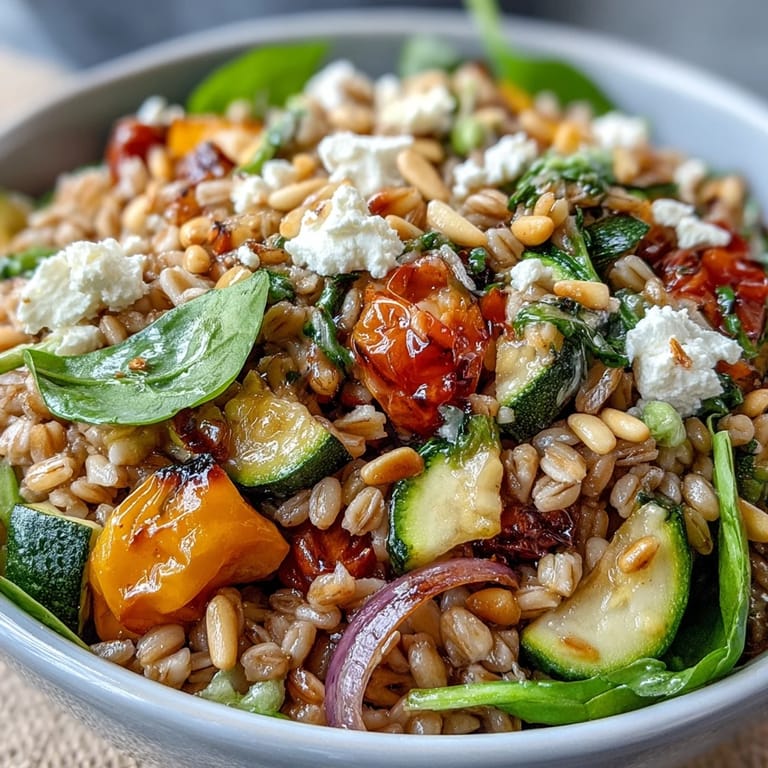
The beauty of this recipe is that it's really just a framework for whatever you have on hand or whatever season you're in—in spring I add fresh peas and asparagus, in fall I throw in roasted butternut squash, and someone once added grilled chicken and a handful of kalamata olives and it was perfect. The dressing stays the same, the farro is constant, but the vegetables are your canvas, which means you never get bored with it and it never feels repetitive even if you make it every week.
Storage and Make-Ahead Tips
I've found that if you want to prepare this ahead, you can cook the pasta and vegetables separately and store them in different containers, then toss everything together with the dressing just before eating. The dressing lasts for about three days in a sealed jar, and the cooked pasta and vegetables each keep for four days refrigerated, so you can actually have the components ready and build the bowl whenever you want a quick lunch.
- Store the dressing separately so the pasta doesn't get soggy if you're planning to eat it over a few days.
- Add fresh herbs and cheese only right before serving so they stay bright and don't get dark or soft.
- If the bowl seems dry when you reheat it, drizzle a little more olive oil and a squeeze of lemon juice to bring it back to life.
 Save
Save This bowl has become my kitchen's answer to the question of what's for dinner, because it asks so little but gives so much. Whether you're cooking for yourself or feeding people you love, it tastes like you took care with it, even when you pulled it together in under an hour.
Recipe FAQs
- → Can I use regular farro instead of farro pasta?
Yes, you can substitute whole farro grains. Cook them for 20-25 minutes until tender, then drain and proceed with the recipe as written.
- → Is this suitable for meal prep?
Absolutely. This bowl keeps well in the refrigerator for 3-4 days and can be enjoyed cold or gently reheated. The flavors often improve after sitting overnight.
- → How can I make this vegan?
Simply omit the feta cheese or replace it with a plant-based alternative. The rest of the ingredients are naturally vegan-friendly.
- → What vegetables work best in this dish?
The combination of zucchini, bell peppers, cherry tomatoes, and spinach provides variety in texture and flavor. You can also add eggplant, artichokes, or roasted red peppers based on seasonality.
- → Can I add protein to make it more filling?
Yes, cooked chickpeas, white beans, grilled chicken, or shrimp pair beautifully with these Mediterranean flavors. Add them during the final toss so they're evenly distributed.