 Save
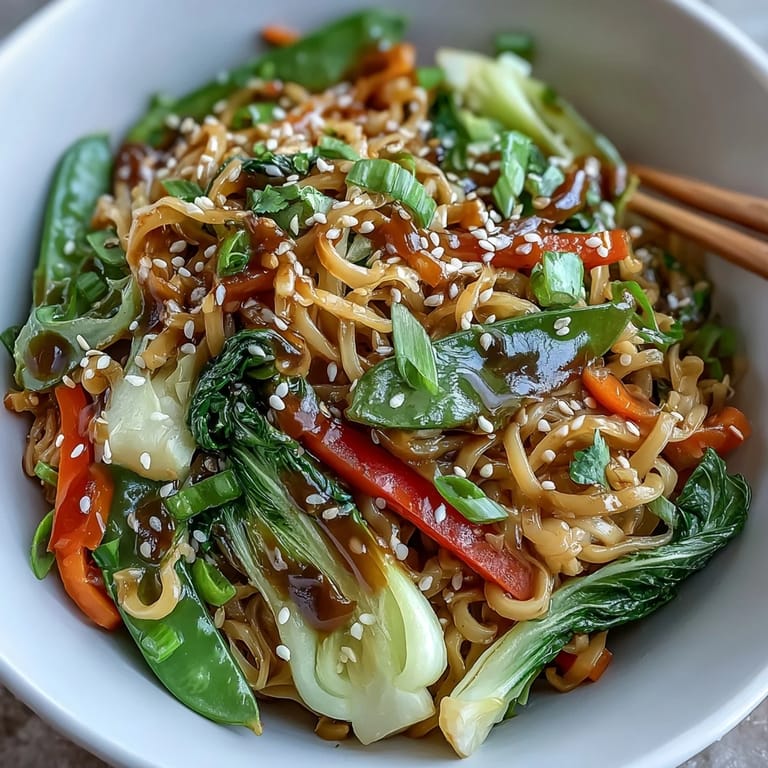
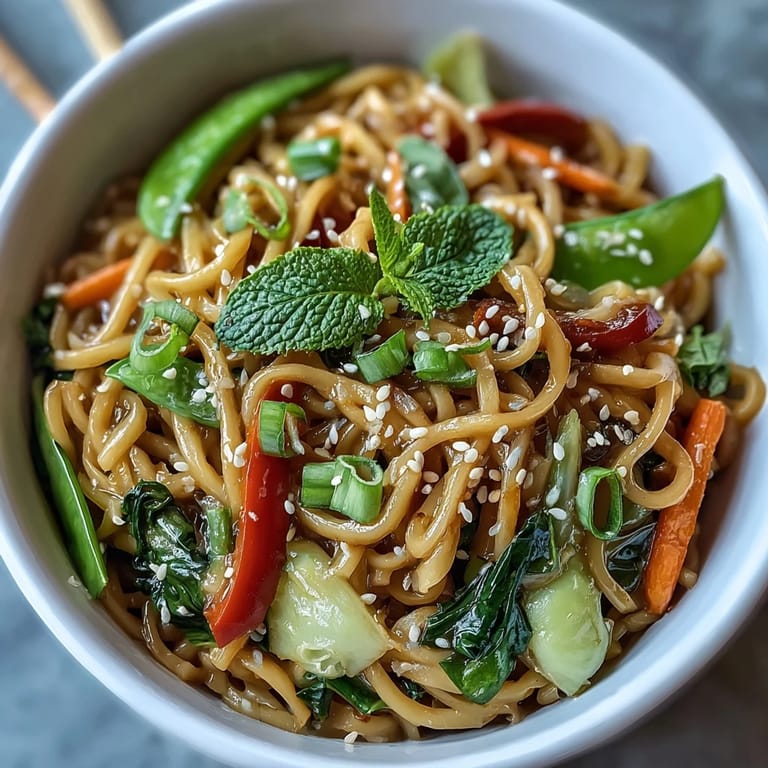
Save There was this Tuesday evening when I stood in my kitchen feeling stuck between wanting something warm and satisfying but also light, and that's when shirataki noodles caught my eye in the pantry. I'd bought them weeks earlier, unsure what to do with them, but suddenly it clicked—a quick stir-fry with whatever vegetables were lingering in my crisper drawer and a ginger sauce that smelled like it belonged in a restaurant. Twenty-five minutes later, I had this vibrant bowl in front of me that tasted nothing like a compromise.
I made this for my partner one night when they mentioned wanting to eat better without sacrificing flavor, and watching them come back for seconds while commenting on how it tasted more interesting than restaurant takeout felt like winning at something. The house filled with this toasted sesame and ginger aroma that made the whole meal feel intentional, not like a quick healthy fix.
Ingredients
- Shirataki noodles (400 g): These miracle noodles need rinsing and a quick boil to lose any funky smell and get the right texture, which I learned the hard way my first attempt.
- Bok choy (1 cup, sliced): The tender leaves wilt slightly while staying crisp, adding this mild cabbage sweetness that balances the sharp ginger sauce beautifully.
- Red bell pepper (1/2, thinly sliced): Slice it thin so it cooks through in minutes but keeps its snap and bright color that makes the whole bowl look alive.
- Snow peas (1/2 cup, trimmed): These stay crisp if you don't overcook them, and their slight natural sweetness works perfectly with the savory-spicy sauce.
- Carrot (1 medium, julienned): Cutting it thin means it cooks fast and actually tastes tender, not crunchy in an annoying way.
- Green onions (2, thinly sliced): Save some for garnish so you get bursts of fresh onion flavor with each bite.
- Tamari or gluten-free soy sauce (2 tbsp): The umami backbone that makes everything taste savory and intentional instead of empty.
- Rice vinegar (1 tbsp): This brightness cuts through the richness of the sesame oil and keeps the sauce from tasting heavy.
- Toasted sesame oil (1 tbsp): Use the real stuff—the toasted kind—because it has this deep, nutty flavor that regular sesame oil just doesn't match.
- Fresh ginger, finely grated (1 tbsp): Grate it while it's cold, and the texture gets so fine that it distributes through the sauce perfectly without any tough bits.
- Garlic clove (1, minced): One clove is enough here because the ginger is the star, but it adds a savory undertone that pulls everything together.
- Maple syrup (1 tsp, optional): Just a touch rounds out the sauce so it's not purely savory, making it taste more balanced and restaurant-worthy.
- Chili flakes (1/2 tsp, optional): A whisper of heat that sneaks up on you, making the flavors feel more dynamic without overwhelming anything.
- Toasted sesame seeds (1 tbsp, for garnish): Toast your own if you have time because they're nuttier and more alive than store-bought, though either works in a pinch.
- Fresh cilantro or basil leaves (optional, for garnish): A handful of fresh herbs at the end transforms this from good to feeling like you put thought into it.
Tired of Takeout? 🥡
Get 10 meals you can make faster than delivery arrives. Seriously.
One email. No spam. Unsubscribe anytime.
Instructions
- Get the noodles ready:
- Drain your shirataki noodles and rinse them under cold water for a minute or so, then boil them for exactly two minutes—they'll smell a bit off at first but trust this step completely. Pat them dry with paper towels because any excess moisture will dilute your sauce, and nobody wants that.
- Mix the ginger sauce:
- In a small bowl, whisk together tamari, rice vinegar, sesame oil, ginger, garlic, maple syrup if you're using it, and chili flakes, tasting as you go. If it's too sharp, add a tiny bit more maple syrup; if it's too sweet, splash in a little more vinegar.
- Sear the harder vegetables:
- Get your skillet or wok hot over medium-high heat and add the carrot, bell pepper, and snow peas, stirring constantly for two to three minutes until they start to soften but still have life in them. You're not going for tender-tender, just tender enough that biting into them feels pleasant.
- Add the leafy vegetables:
- Toss in the bok choy and green onions and keep stirring for another minute or two until the bok choy wilts slightly at the edges. Everything should still look fresh and colored, not tired.
- Bring it all together:
- Add those drained noodles and pour the ginger sauce over everything, tossing constantly for two to three minutes until the noodles are warm and every piece has touched some sauce. The whole pan should smell incredible at this point.
- Finish and serve:
- Divide into bowls and sprinkle sesame seeds and fresh herbs over the top, plus a few extra sliced green onions if you saved them. Eat it immediately while the vegetables are still warm and crisp.
 Save
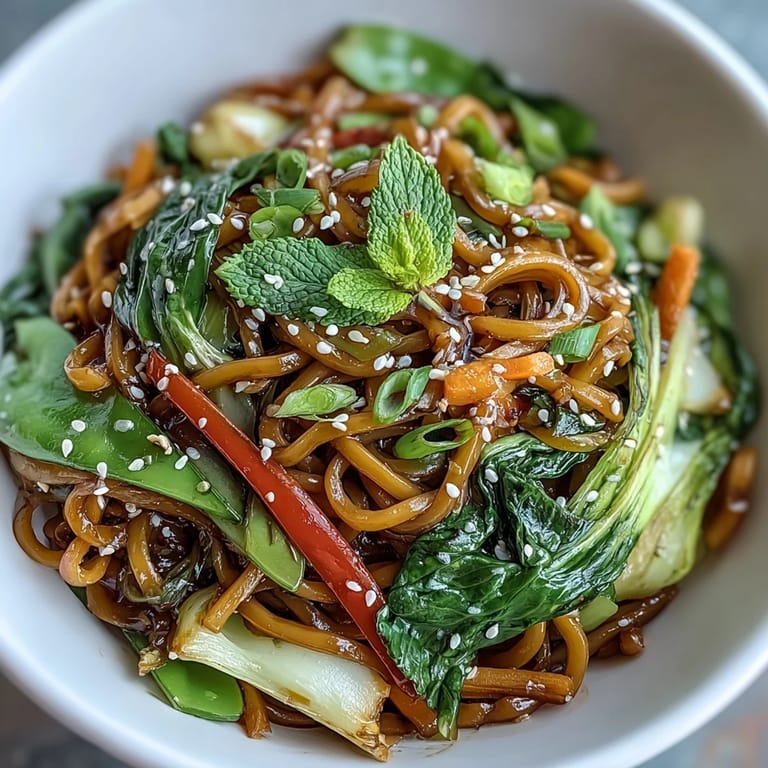
Save The first time someone told me they'd made this again because they kept thinking about it, I realized this simple bowl had somehow become more than just another healthy dinner. It sits in that perfect middle ground between feeling like you're taking care of yourself and actually enjoying what's on your plate.
Why This Sauce Changes Everything
I used to think ginger sauce meant something heavy and thick, but this one is bright and thin, coating each vegetable and noodle without weighing anything down. The combination of sesame oil and rice vinegar creates this almost balanced tension—nutty against sharp—that makes your palate keep going back for another bite.
Making It Your Own
This bowl thrives on flexibility because the structure is solid enough to handle changes without falling apart. I've made versions with broccoli when bell peppers were gone, swapped in mushrooms for snow peas, even added a handful of spinach at the end when I had it sitting around.
Kitchen Moments Worth Remembering
There's something almost meditative about prepping vegetables for this dish, watching them go from whole to precisely sliced, knowing they'll hit the pan at exactly the right moment. The sound of everything hitting that hot pan and the immediate sizzle always feels like the recipe truly beginning, not just the setup.
- Squeeze fresh lime over your bowl right before eating if you want to add another layer of brightness that makes everything taste more sophisticated.
- If you're adding protein, cook it separately so it doesn't release water into your pan and mess with your stir-fry timing.
- Make the sauce a few hours ahead if you want, and the flavors will actually deepen and become even more interesting by mealtime.
 Save
Save This bowl is the kind of meal that doesn't ask you to choose between eating well and eating something that actually tastes good. Make it once and you'll find yourself craving it.
Recipe FAQs
- → Do shirataki noodles need special preparation?
Yes—drain, rinse thoroughly under cold water, then boil for 2 minutes. Pat dry with paper towels to remove excess moisture. This step eliminates any natural aroma and ensures noodles absorb the sauce properly.
- → Can I make this spicy?
Absolutely. Increase chili flakes to 1 teaspoon or add sriracha to the sauce. Fresh minced chili peppers work beautifully too. Adjust heat level to your preference—the ginger already provides gentle warmth.
- → What vegetables work best?
Bok choy, bell pepper, snow peas, and carrot provide excellent texture and color contrast. Broccoli, mushrooms, snap peas, or zucchini make great substitutions. Choose vegetables that stay crisp-tender when quickly stir-fried.
- → How long does this keep?
Best enjoyed immediately while vegetables retain their crunch. If storing, keep noodles and sauce separate from vegetables. Reheat gently in a skillet—the noodles can become rubbery if overheated. Consume within 2 days for optimal texture.
- → Is this suitable for meal prep?
Partially. Prepare sauce and chop vegetables in advance. Cook noodles and stir-fry just before eating for best texture. The sauce develops deeper flavor after resting overnight in the refrigerator.
- → Can I use regular soy sauce?
Regular soy sauce works perfectly if you don't require gluten-free. Adjust quantity slightly as it may be saltier than tamari. Taste and modify balance accordingly—more rice vinegar or maple syrup can help harmonize flavors.