 Save
Save My kitchen smelled like roasted earth for the first time when a friend dropped off a bunch of beets from their garden, still wearing dirt like they'd just come out of the ground. I wasn't sure what to do with them until I remembered watching someone blend roasted beets with chickpeas and tahini into something so vibrant it looked almost unreal. That afternoon, I made this hummus, and the color alone convinced everyone at the table to try it before the taste even had a chance.
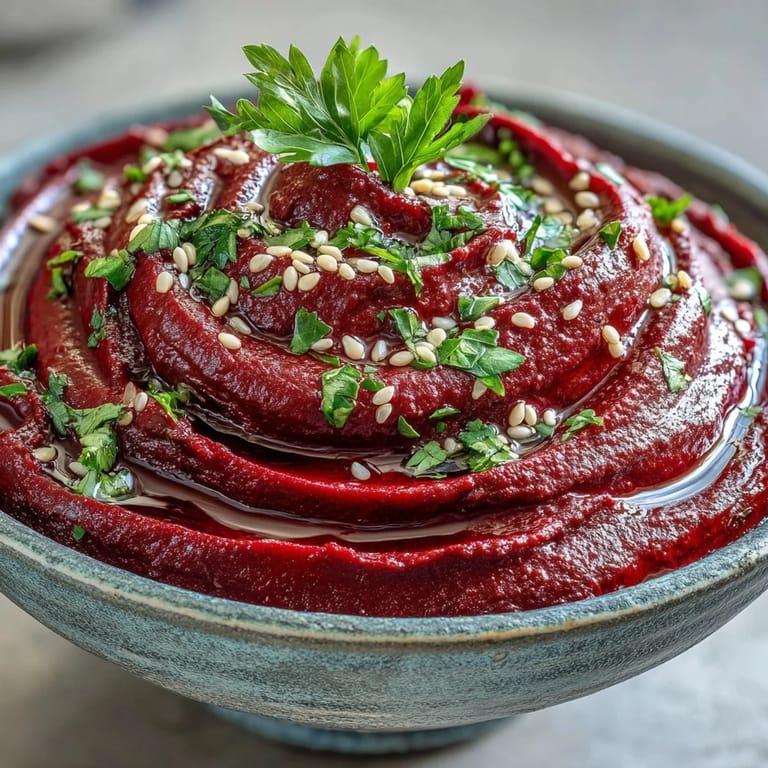
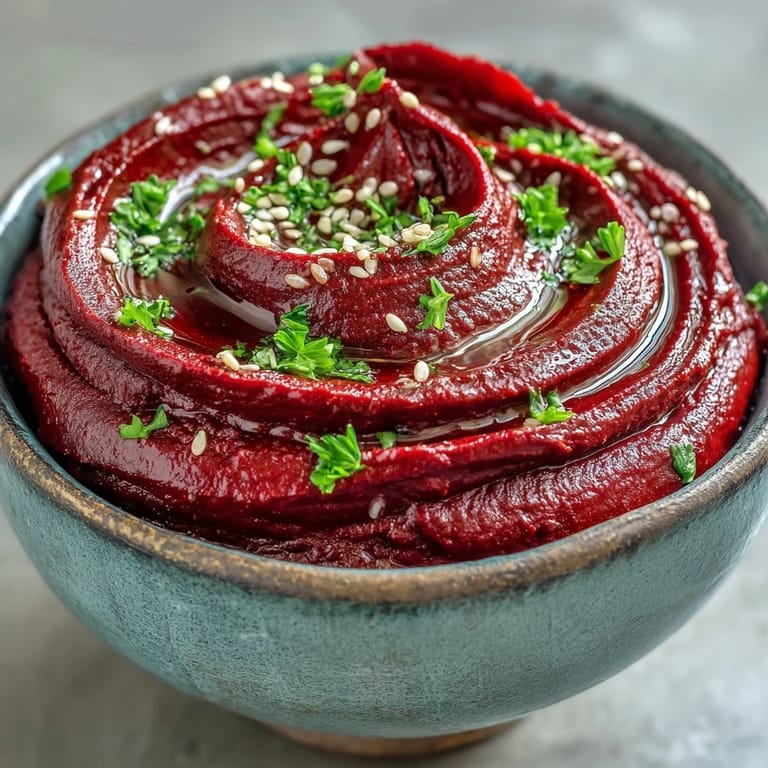
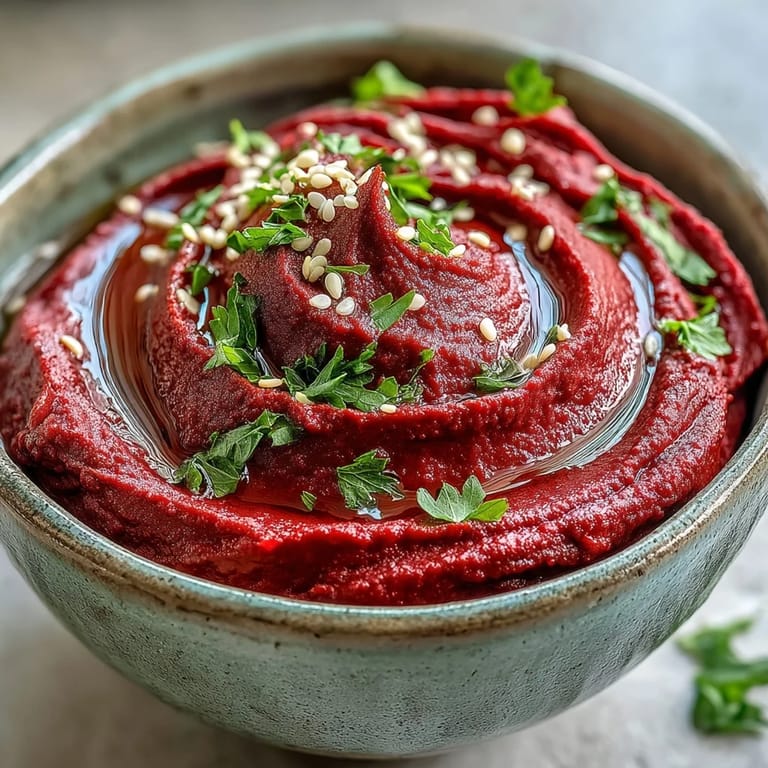
I brought a batch to a potluck where everyone was worried I'd shown up empty-handed, and when I pulled out this jewel-toned dip, people actually stepped back to look at it before diving in. One person asked if I'd added beet juice for color, shocked when I explained it was just the roasted beets doing their thing. That's when I realized this recipe wasn't just delicious—it was a conversation starter.
Ingredients
- 1 medium beet (about 180 g), trimmed and scrubbed: Roasting concentrates the beet's natural sugars and makes peeling easier once cooled; don't skip scrubbing because soil can hide in the creases.
- 1 small garlic clove, peeled: One clove is enough to wake up the dip without overpowering it, but taste before adding more because raw garlic can dominate quickly.
- 400 g (1 can) chickpeas, drained and rinsed: Rinsing removes the starchy liquid that would make your hummus gluey instead of silky, so don't skip this step even though it feels unnecessary.
- 3 tbsp tahini: This is your cream base, and quality matters—a good tahini tastes nutty rather than bitter, which changes everything about the final result.
- 2 tbsp fresh lemon juice (about 1 lemon): Fresh juice matters here because it brightens the earthiness of the beet; bottled juice tastes flat by comparison.
- 2 tbsp extra-virgin olive oil, plus more for drizzling: The oil adds richness and helps create that restaurant-quality silky texture everyone reaches for again.
- ½ tsp ground cumin: A whisper of cumin brings warmth without announcing itself, tying all the flavors together in a way that feels intentional.
- ¼ tsp sea salt, or to taste: Start conservative because you can always add more, but you can't take it back once it's blended in.
- 2–3 tbsp cold water (as needed): Cold water helps you control the consistency better than room temperature, and you'll add it slowly as you blend.
Tired of Takeout? 🥡
Get 10 meals you can make faster than delivery arrives. Seriously.
One email. No spam. Unsubscribe anytime.
Instructions
- Roast the beet until it yields to a fork:
- Wrap that beet in foil and let the oven do the work for 40 to 45 minutes at 200°C (400°F) until it's completely tender inside. Once it cools enough to handle, the skin should slide off almost without effort—if it doesn't, it needs a few more minutes.
- Build the hummus base:
- Combine the cooled roasted beet, drained chickpeas, raw garlic, tahini, lemon juice, olive oil, cumin, and salt into the food processor. Blend until you reach a smooth consistency, stopping to scrape down the sides when the mixture climbs up the walls.
- Loosen it gradually:
- With the motor running, drizzle in cold water one tablespoon at a time and watch the texture transform from thick to creamy. Stop when it feels right to you—there's no single correct thickness because it depends on whether you want to dip or spread.
- Taste and trust your instincts:
- Before serving, give it a final taste and decide if it needs more salt or another squeeze of lemon. The hummus will taste different cold than it does warm from blending, so this matters.
- Present it like you mean it:
- Transfer to a bowl, drizzle with a little more olive oil, and if you want to make it look intentional, scatter some sesame seeds or a pinch of cumin on top. Honestly, the color of this hummus is already doing most of the work.
 Save
Save There was a moment when my skeptical partner took a spoonful and actually paused before smiling, and I realized this hummus had crossed over from being just food to being something we'd make again. Now whenever beets show up, that recipe is the first thing I think of.
Why Roasted Beets Matter
Roasting transforms a raw beet's sharp, mineral edge into something sweet and approachable, and that's the secret to why this hummus doesn't taste like you're eating dirt. The caramelization that happens in the oven is real chemistry, and it makes all the difference between a gimmick and something genuinely delicious. You could theoretically use raw or steamed beets, but you'd lose the depth that makes people ask for the recipe.
The Tahini Technique
Tahini can be temperamental if you're not paying attention—some brands are grittier than others, and some taste almost bitter if they've been sitting around. Stir your tahini jar well before measuring because the oil and solids can separate, and that changes how much paste you're actually using. If your hummus feels too thick even after adding water, tahini might be the culprit, so taste the hummus and decide if you need a slightly thinner tahini or just more water.
Serving and Storing This Dip
This hummus works with pita chips, fresh vegetable sticks, crackers, or spread on a sandwich where it adds color and earthiness to whatever else is going in. It also keeps beautifully in the refrigerator for up to four days if you store it in an airtight container, though the color will fade slightly over time. On the day you make it, the hummus tastes freshest and looks most vibrant, so if you're bringing it somewhere, timing matters.
- A tiny pinch of smoked paprika wakes up the flavor if you want a hint of smokiness without changing the whole vibe.
- Leftover hummus becomes a sandwich spread, a grain bowl topper, or something to swirl into soup at the last second.
- If it dries out after a few days, a drizzle of olive oil and a splash of water will bring it back to life quickly.
 Save
Save This recipe turned out to be one of those things that looks complicated but isn't, and once you've made it once, you'll find yourself reaching for it whenever you want to impress without effort. The roasted beets do most of the heavy lifting, and everything else just needs to show up.
Recipe FAQs
- → Can I use canned or precooked beets?
Yes, you can substitute canned beets or precooked vacuum-sealed beets to save time. However, fresh roasted beets provide a deeper, sweeter flavor that elevates the final dish. If using precooked beets, skip the roasting step and blend directly with other ingredients.
- → How can I make the hummus extra smooth?
For the silkiest texture, peel the chickpeas by gently pinching them—the skins will slip off easily. Adding ice-cold water while blending helps create an airy, creamy consistency. Don't rush the blending process; scrape down the sides frequently and blend longer than you think necessary.
- → What variations work well with this?
Try adding fresh herbs like parsley or cilantro for brightness. A pinch of smoked paprika adds subtle smokiness, while a tablespoon of Greek yogurt creates an extra creamy variation. You can also substitute white beans for chickpeas for a milder flavor profile.
- → How long does this keep?
Store in an airtight container in the refrigerator for up to 4 days. The flavors actually develop and meld better after a day. The vibrant color may darken slightly over time but remains appetizing. Bring to room temperature before serving for optimal creaminess.
- → Can I freeze this?
Yes, this freezes well for up to 3 months. Thaw overnight in the refrigerator and stir well before serving. You may need to add a splash of olive oil or lemon juice to restore the creamy texture after freezing. Avoid freezing if you plan to use fresh garnishes.
- → What should I serve with it?
Pita bread or pita chips are classic options. Raw vegetables like carrots, cucumber slices, bell peppers, and radishes provide refreshing crunch. It also works beautifully as a spread on sandwiches, wraps, or as a topping for grain bowls and salads.