 Save
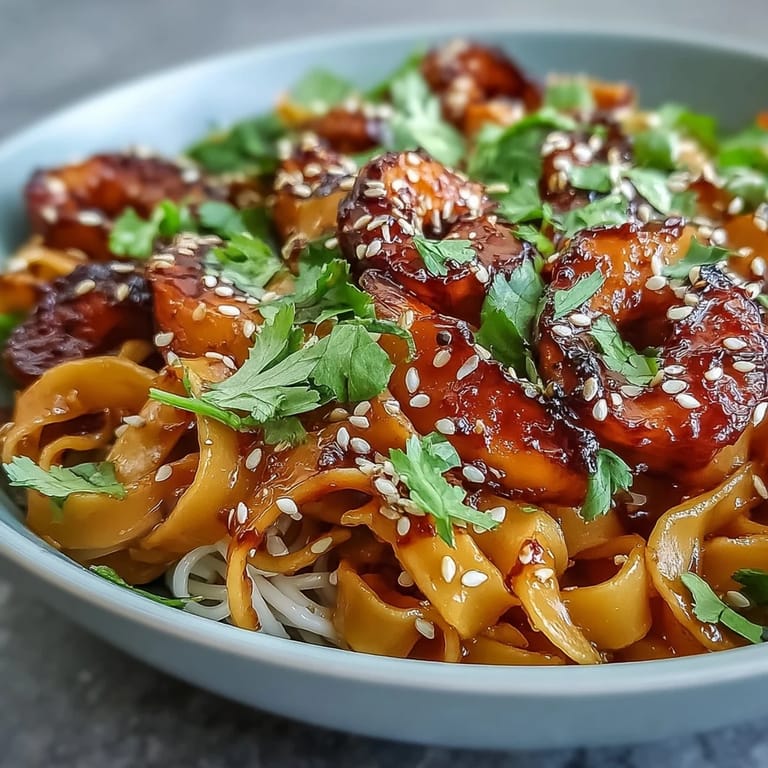
Save I stumbled onto this idea on a rainy Tuesday when I had a swede sitting in the crisper for too long and a craving for something sticky and bold. The thought of turning that humble root vegetable into noodle-like ribbons felt a little rebellious, but once I tossed them with gochujang and sesame oil, the kitchen smelled like the best kind of takeout. It's become my go-to when I want something that feels indulgent but uses what I already have. Sometimes the best recipes come from impatience and curiosity.
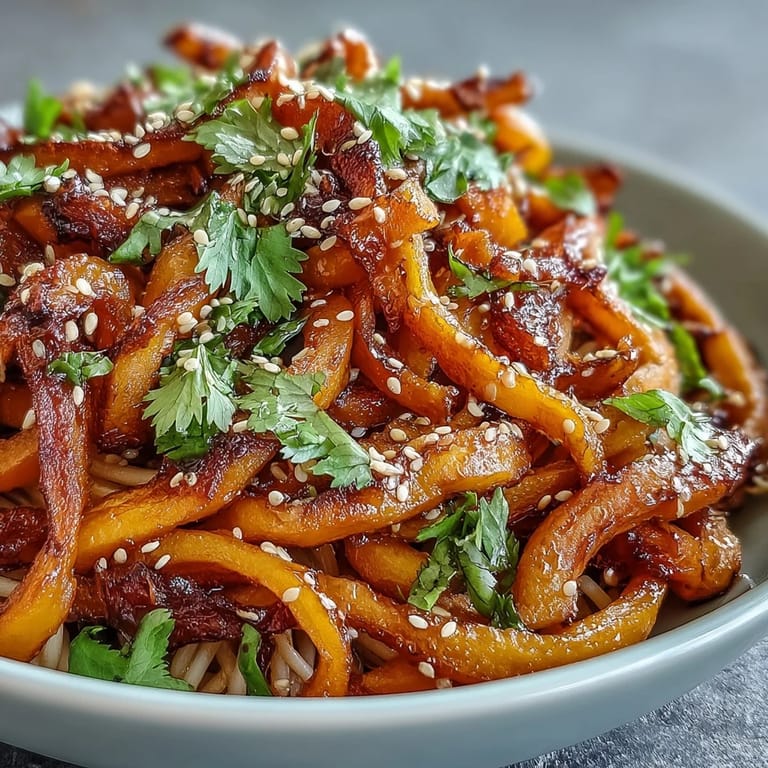
The first time I made this for friends, I worried they'd find it strange. But watching them twist their forks into those caramelized swede ribbons, coated in glossy red sauce, I realized how good something unfamiliar can taste when it's done with confidence. One friend asked if I'd ordered it from somewhere new in town. I didn't correct her right away.
Ingredients
- Swede (rutabaga): This waxy root becomes tender and slightly sweet when roasted, with crispy edges that soak up the dressing beautifully.
- Rice noodles: They stay silky and light, letting the swede and sauce be the stars without competing for attention.
- Gochujang: The fermented heat and umami depth make this dressing impossible to replicate with anything else.
- Maple syrup: It tempers the chili paste with a mellow sweetness that doesn't taste like dessert.
- Toasted sesame oil: Just a tablespoon brings that nutty, toasty aroma that makes everything feel restaurant-quality.
- Spring onions: Their sharpness cuts through the richness and adds a fresh, bright bite.
- Sesame seeds: Toasted ones add a subtle crunch and make the whole dish look polished.
- Fresh cilantro: A handful on top brings herbal brightness that balances all the boldness below.
Tired of Takeout? 🥡
Get 10 meals you can make faster than delivery arrives. Seriously.
One email. No spam. Unsubscribe anytime.
Instructions
- Roast the swede ribbons:
- Preheat your oven to 220°C and toss the swede ribbons with oil, salt, and pepper until every piece glistens. Spread them out on a baking sheet without crowding, then roast for 25 to 30 minutes, flipping halfway so they caramelize evenly and develop those crispy, golden edges.
- Cook the noodles:
- While the swede roasts, boil your rice noodles according to the package timing, then drain and rinse them under cold water to stop the cooking. This keeps them from turning gummy and makes them easier to toss later.
- Make the gochujang dressing:
- Whisk together the gochujang, soy sauce, maple syrup, rice vinegar, sesame oil, garlic, ginger, chili flakes, and water until smooth. Taste it and adjust the water if it's too thick, you want it pourable but not watery.
- Toss everything together:
- In a large bowl, combine the roasted swede, noodles, spring onions, carrot, and bean sprouts, then pour the dressing over and toss gently until every ribbon is coated. The warmth of the swede will help the dressing cling and spread.
- Garnish and serve:
- Plate it up immediately, scattering toasted sesame seeds and fresh cilantro over the top. Serve it warm, while the swede still has a bit of heat and the noodles are glossy.
 Save
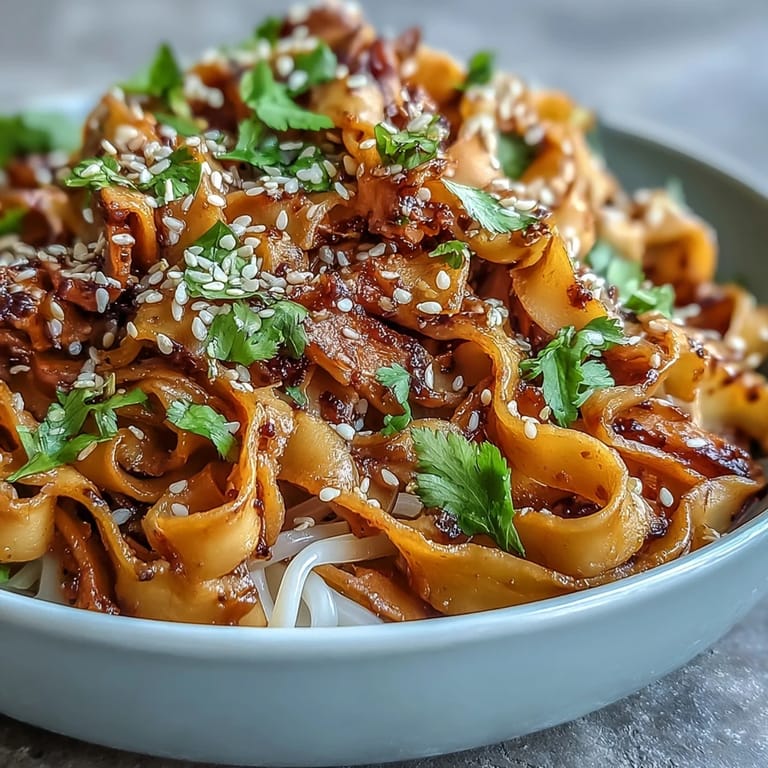
Save There's something about the way the swede softens but still holds its shape that makes this dish feel intentional, not like a compromise. I've served it on nights when I needed comfort but didn't want to feel weighed down, and it delivered every time. It's the kind of meal that makes you feel like you know what you're doing in the kitchen, even if you're winging it.
How to Cut Swede into Ribbons
Use a sharp vegetable peeler or a mandoline set to a medium thickness, working your way around the swede in long, even strokes. If you don't have either tool, a knife works too, just slice it thinly and then cut those slices into strips. The ribbons don't need to be perfect, a little variation actually helps them roast unevenly in a good way, some crispy, some tender.
Making It Your Own
I've added crispy tofu, edamame, and even leftover roasted chicken to this base and it's worked every time. Sometimes I throw in extra vegetables like bell peppers or snap peas if I have them. If you want more heat, double the chili flakes or add a drizzle of chili oil on top. This recipe is forgiving and welcomes whatever you're in the mood for.
Storing and Reheating
Leftovers keep well in the fridge for up to three days, though the noodles will absorb some of the dressing as they sit. I like to reheat it gently in a pan with a splash of water to loosen everything up, or eat it cold as a noodle salad with extra lime juice squeezed over. The swede stays surprisingly good even the next day, still tender with a bit of chew.
- Store the dressed noodles and any extra dressing separately if you want maximum freshness.
- Add a handful of fresh herbs and sesame seeds right before serving leftovers to wake up the flavors.
- If reheating, do it quickly over medium heat so the noodles don't break apart.
 Save
Save This dish taught me that vegetables I used to overlook can become the main event with the right treatment. It's proof that a little heat, sweetness, and good timing can turn something simple into something you'll make again and again.
Recipe FAQs
- → Can I substitute swede with another vegetable?
Yes, you can use parsnips, turnips, or even butternut squash. Adjust roasting time as needed based on the vegetable's density and moisture content.
- → How spicy is this dish?
The heat level is moderate due to gochujang. You can reduce the amount of gochujang or omit the chili flakes for a milder version, or increase both for more heat.
- → Can I make this ahead of time?
The gochujang dressing and roasted swede can be prepared up to 2 days in advance. Cook noodles fresh and toss everything together just before serving for best texture.
- → What can I use instead of rice noodles?
Soba noodles, udon, or even spiralized zucchini work well. Cooking times will vary, so follow package instructions or adjust accordingly for fresh vegetables.
- → How do I make this gluten-free?
Use tamari instead of soy sauce and check that your gochujang is certified gluten-free. Rice noodles are naturally gluten-free, making this an easy adaptation.
- → Can I add protein to this dish?
Absolutely. Pan-fried tofu, edamame, grilled chicken, or shrimp all complement the flavors beautifully. Add them during the final tossing step.