 Save
Save I discovered the magic of elephant ears at a summer carnival when I was eight, mesmerized by the way the vendor stretched the dough paper-thin and tossed it into bubbling oil. Years later, standing in my own kitchen with a stand mixer and patience, I realized I could recreate that exact moment—the sizzle, the golden puff, the instant coat of cinnamon sugar while the dough still steamed. There's something deeply satisfying about making something so unabashedly indulgent at home, where you control the crispness and the sweetness. This version keeps that carnival spirit but adds the comfort of knowing exactly what went into every bite.
I'll never forget the afternoon I made these for my niece's school bake sale, staying up late stretching dough while she fell asleep at the kitchen table. When she woke to that cinnamon-scented kitchen, her whole face lit up—she insisted on helping me fry the last batch, standing on a stool with a slotted spoon that was almost bigger than she was. That's when I understood: elephant ears aren't really about the dessert, they're about the ritual of making something warm and messy and utterly joyful together.
Ingredients
- Active dry yeast: The entire rise depends on this; make sure yours hasn't expired and your milk is truly warm, not hot—kill the yeast and you've lost the game.
- Warm milk: This is your activator and your moisture; too cool and the yeast won't wake up, too hot and you'll scald it into uselessness.
- Granulated sugar (for dough): Just enough to feed the yeast and add subtle sweetness without overwhelming the dough's delicate structure.
- Unsalted butter (melted): Use melted, not softened, so it distributes evenly and keeps the dough tender rather than dense.
- Salt: A half teaspoon seems tiny, but it awakens all the other flavors and prevents the dough from tasting flat.
- All-purpose flour: Start with 2½ cups and add gradually—dough should be soft and slightly sticky, never dry or you'll end up with tough ears.
- Vegetable oil (for frying): Use neutral oil that can handle 350°F; avoid olive oil, which will smoke and make everything taste wrong.
- Cinnamon and sugar (for coating): Mix these in a shallow dish before you start frying so you can dredge immediately while the dough is still hot and the coating will stick.
- Melted butter (optional): A quick brush before the cinnamon sugar makes them richer; skip it if you prefer less indulgence.
Tired of Takeout? 🥡
Get 10 meals you can make faster than delivery arrives. Seriously.
One email. No spam. Unsubscribe anytime.
Instructions
- Wake the yeast:
- Dissolve yeast in warm milk with sugar and let it sit undisturbed for about 5 minutes until a foam layer forms on top. You should smell something alive and slightly sweet; if you don't, your yeast is dead and you need to start over.
- Build the dough:
- Stir in melted butter and salt, then gradually work in flour, adding it a tablespoon at a time once you hit the 2½-cup mark. The dough should be soft and slightly sticky, not stiff; it should feel like something alive that wants to move.
- Knead until elastic:
- Work the dough on a lightly floured surface for about 5 minutes until it becomes smooth and springs back when you poke it. You'll feel when it's ready—the resistance shifts from stubborn to supple.
- Let it rise:
- Place the dough in a greased bowl, cover it loosely, and find a warm corner of your kitchen—near a window, on top of the fridge, or inside the oven with the light on. After about an hour, it should roughly double in size and feel pillowy when you press it.
- Prep your station:
- Mix cinnamon and sugar in a shallow dish and set it near your frying station. You need to work fast once the ears come out of the oil, so having everything ready prevents scrambling and burning yourself.
- Portion and shape:
- Punch down the dough to deflate it, divide it into 8 pieces, roll each into a ball, then stretch each ball into a thin oval about 8 inches long. Think of it like stretching pizza dough, but thinner—you want it almost translucent at the edges.
- Heat the oil:
- Bring vegetable oil to 350°F in a large, deep skillet or Dutch oven. Use a thermometer; guessing will give you either pale, greasy ears or burnt ones that are raw inside.
- Fry in batches:
- Working carefully, place one or two ovals into the hot oil—they'll sink briefly, then float and puff up. Fry for about a minute per side until they're deep golden brown, then lift them out with a slotted spoon or tongs and rest them briefly on paper towels.
- Coat while warm:
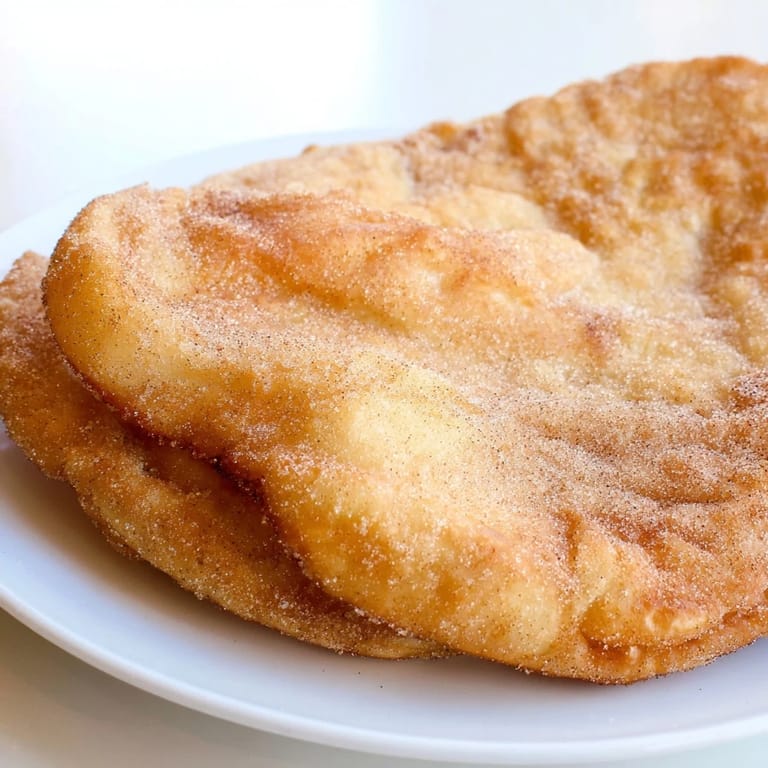
- Brush each ear with melted butter if you're using it, then immediately dredge both sides in cinnamon sugar while the dough is still hot and slightly sticky. The coating will cling to the surface and create that irresistible crunch.
 Save
Save There's a moment when an elephant ear comes out of the oil—that brief instant where it's still steaming and the cinnamon sugar hasn't quite set—where it tastes exactly like every fair and carnival memory from childhood. I've learned that this is the moment to eat one, not to be polite and wait. Breaking through that crispy shell and tasting the tender, pillowy interior makes every minute of preparation worth it.
The Science of the Stretch
The reason you stretch these thin instead of keeping them thick comes down to surface area and steam. When dough is thin, oil can crisp the exterior while the interior steam-puffs, creating that signature contrast. I once tried making thick ones thinking they'd be richer, and they turned out dense and heavy, more like fried bread than carnival magic. The thinness is not a suggestion; it's the entire reason these work.
Timing and Temperature
Oil temperature matters more than you'd think, and I learned this the hard way by eyeballing it instead of using a thermometer. Too cool and you get greasy, sad dough that absorbs oil instead of crisping. Too hot and the outside burns while the inside stays raw. Holding at 350°F is the sweet spot where dough transforms in seconds, not minutes.
Storage and Make-Ahead Magic
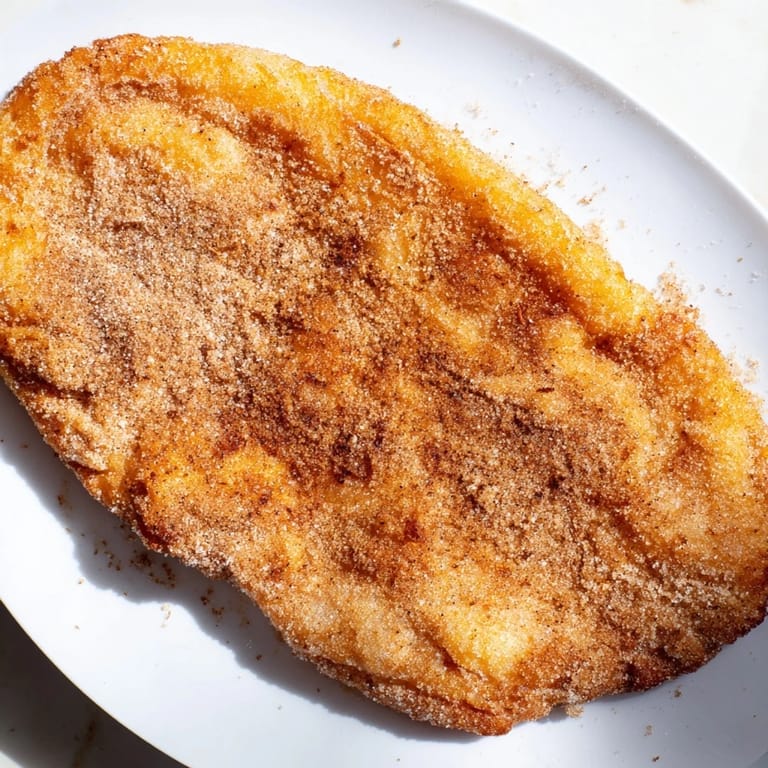
The dough can be made ahead and refrigerated for up to 12 hours, which means you can do all the heavy lifting the night before and fry fresh the next day. I've also learned that while these are best eaten immediately, you can reheat them in a 300°F oven for a few minutes to restore some of that crispy-outside texture. They won't taste like they just came out of the fryer, but they'll still taste good, which is better than nothing when you're craving them three days later.
- Fry them the day you plan to serve them for maximum crispness and that authentic carnival experience.
- If you make extra and somehow have leftovers, store them in an airtight container and reheat gently rather than eating them at room temperature.
- The cinnamon sugar coating is forgiving—you can always adjust the ratio to your taste, leaning sweeter or spicier depending on your mood.
 Save
Save Making elephant ears at home transforms them from a fleeting carnival memory into something you can recreate any time the craving strikes. They're proof that the best foods aren't complicated—they just need the right technique, hot oil, and someone willing to get their hands a little sticky.
Recipe FAQs
- → How do I achieve a crispy elephant ear?
Stretch the dough thinly and fry it in hot oil (350°F/175°C) until golden brown, turning once for even crispness.
- → Can I prepare the dough ahead of time?
Yes, the dough can be made in advance and chilled in the refrigerator for up to 12 hours before frying.
- → What is the best way to apply the cinnamon sugar topping?
Brush the warm fried dough with melted butter, then immediately dredge both sides in a cinnamon sugar mix for optimal adhesion and flavor.
- → Can I add extra flavor to the dough?
A pinch of nutmeg can be incorporated into the dough for a subtle, warming spice enhancement.
- → What oil is recommended for frying elephant ears?
Use a neutral vegetable oil with a high smoke point to ensure even frying without affecting the flavor.