 Save
Save There's something almost magical about the smell of donuts frying in hot oil on a lazy Sunday morning. I discovered cake donuts during a rainy weekend when I decided to stop buying them from the bakery and try making them at home instead. The first batch came out slightly too dense, but the second attempt—when I stopped overthinking the mixing—yielded these impossibly soft, tender pillows that tasted even better than the store-bought version. Now I can't imagine starting a weekend without them, especially when the kitchen fills with that golden, vanilla-tinged warmth.
I remember bringing a box of these to my neighbor's house unannounced, still warm and dusted with cinnamon sugar, because her kids had just moved back home for the summer. The way their faces lit up when they bit into one—that moment made me realize these donuts are more than breakfast; they're a small act of kindness that actually tastes incredible.
Ingredients
- All-purpose flour (2 1/2 cups): The foundation of your donuts; makes sure it's fresh and not compacted, as old flour can make them heavy.
- Granulated sugar (1 cup): This sweetens the dough itself, so don't skip it or reduce it thinking you'll add glaze later.
- Baking powder and baking soda (2 tsp and 1/2 tsp): These create that airy crumb structure that makes cake donuts so tender; they're essential and can't be substituted with yeast.
- Salt and ground nutmeg (1/2 tsp each): Salt balances sweetness, while nutmeg adds a subtle warmth that people often can't identify but always ask about.
- Large eggs (2): They bind everything together and add richness; room temperature eggs mix more smoothly into the wet ingredients.
- Buttermilk (3/4 cup): The tanginess reacts with baking soda to create lift, and it keeps the donuts incredibly moist; don't substitute with regular milk.
- Unsalted butter, melted and cooled (1/4 cup): Cooling it first prevents scrambling the eggs when you combine wet and dry ingredients.
- Vanilla extract (1 tsp for dough, 1/2 tsp for glaze): Use pure vanilla if you can; the imitation version fades during frying.
- Vegetable oil for frying (about 1.5 liters): Keep it at a steady 350°F—too cool and they'll be greasy, too hot and they'll brown before cooking through.
- Powdered sugar (1 cup for glaze): Sift it if lumpy so your glaze comes out smooth and professional-looking.
- Milk (2–3 tbsp for glaze): Start with 2 and add more drop by drop until you get that silky, dippable consistency.
- Granulated sugar and ground cinnamon (1/2 cup and 1 tsp): Mix these right before using so the cinnamon stays suspended and doesn't settle to the bottom of the bowl.
Tired of Takeout? 🥡
Get 10 meals you can make faster than delivery arrives. Seriously.
One email. No spam. Unsubscribe anytime.
Instructions
- Combine the dry team:
- In a large bowl, whisk together flour, sugar, baking powder, baking soda, salt, and nutmeg until everything is evenly distributed and the mixture looks uniform in color. This step ensures your leavening agents are spread throughout so every donut rises evenly.
- Wake up the wet ingredients:
- In a separate bowl, beat the eggs first, then whisk in buttermilk, melted butter (make sure it's cooled), and vanilla until the mixture is smooth and slightly pale. The beaten eggs create small pockets of air that help with the final texture.
- Marry wet and dry:
- Pour the wet ingredients into the dry ingredients and fold them together using a spatula until just barely combined—you want to see a few streaks of flour remaining. Overmixing develops gluten, which makes donuts tough instead of tender.
- Rest and roll the dough:
- Turn the dough onto a lightly floured surface and gently pat or roll it out to about 1/2-inch thickness; if it's too thick, donuts become cake-like inside, but too thin and they'll fry too fast outside. Let it sit for a minute so it firms up slightly and becomes easier to cut.
- Cut with precision:
- Using a 3-inch donut cutter (or a large round cutter with a smaller one for the center), cut out as many donuts as you can, then gather scraps, re-roll gently, and cut again. Those donut holes cook faster, so keep them separate from the full-sized ones.
- Heat your oil to the right temperature:
- Use a thermometer and bring vegetable oil to exactly 350°F in a deep pot; this temperature is non-negotiable because it's the sweet spot where donuts cook through and turn golden without absorbing excess oil. Let the thermometer stay in the pot while you fry so you can monitor and adjust.
- Fry in batches without crowding:
- Carefully place 2–3 donuts into the hot oil and fry for about 1 minute per side until they're deep golden brown with a slightly darker ring around the edges. Use a slotted spoon to flip them gently, and remove them to a paper towel-lined plate where they'll continue to release oil as they cool.
- Glaze or coat while warm:
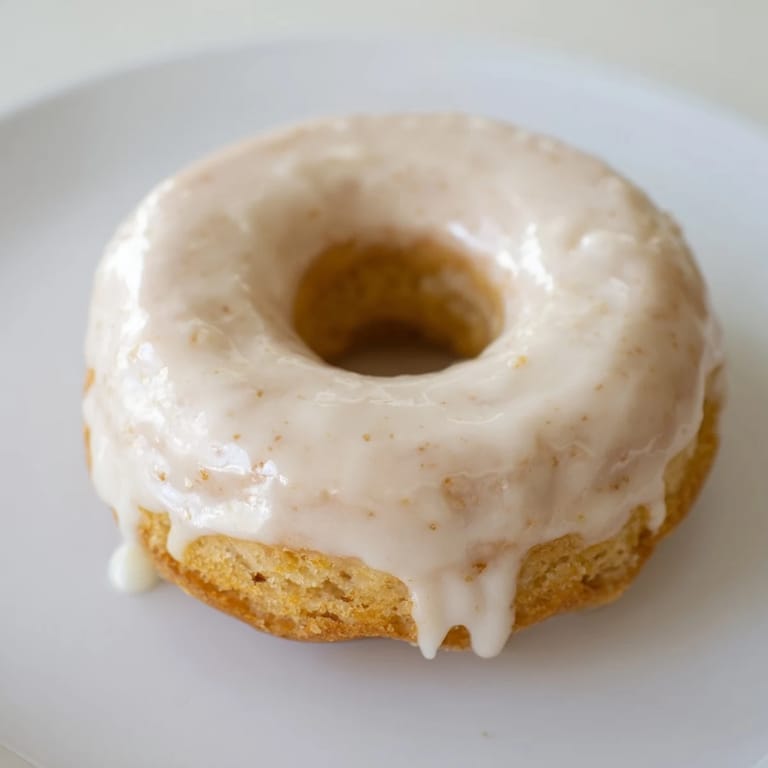
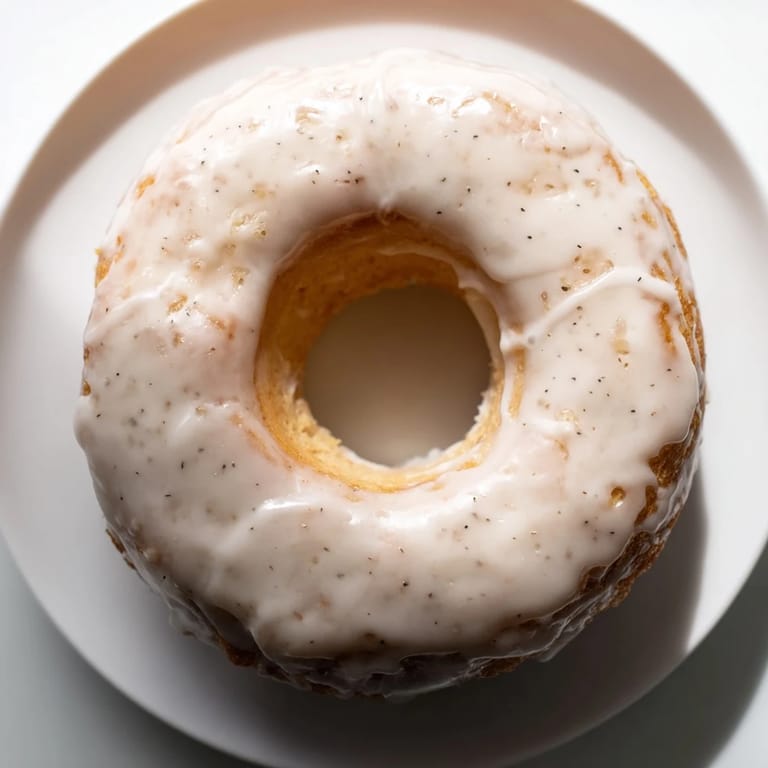
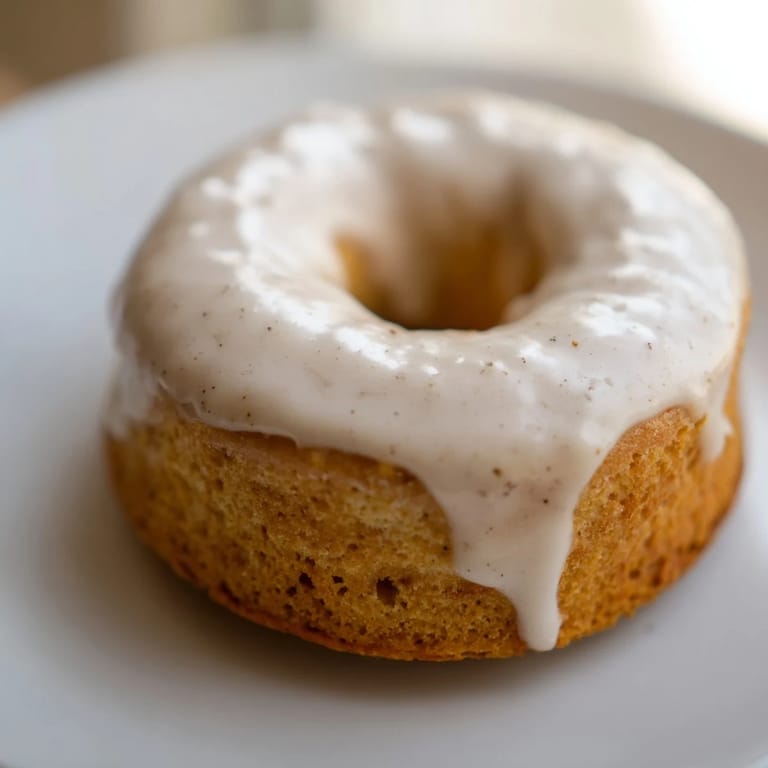
- For glaze, whisk powdered sugar, milk, and vanilla together until completely smooth, then dip each warm donut and set it on a wire rack to let excess drip off. For cinnamon sugar, toss the donuts in the mixture while still warm so the sugar adheres; it won't stick as well to cool donuts.
 Save
Save I made these for my sister's book club once, and watching them disappear within minutes while people were still mid-conversation made me understand that homemade donuts aren't just about the flavor—they're about the love you can taste in them. That's when I realized why bakeries charge so much; it's not the ingredients, it's the care.
The Secret to Tender Donuts
The magic ingredient isn't anything fancy—it's buttermilk, which adds tanginess and moisture while baking soda creates lift and a tender crumb. The nutmeg is subtle but important; it adds depth without tasting spiced, and people will keep asking what makes them taste so good. I learned that room-temperature ingredients mix more smoothly, so pull your eggs and buttermilk out of the fridge about 15 minutes before you start, and your final dough will be silkier and easier to work with.
Flavor Variations Worth Trying
Once you master the basic cake donut, the fun begins—try adding lemon zest to the dough for brightness, or a hint of maple extract for something cozy. I've made chocolate versions by whisking in cocoa powder to the glaze, and I've topped them with crushed candy, sprinkles, and even a drizzle of salted caramel when I was feeling fancy. The base recipe is so forgiving that you can experiment without worrying about ruining anything.
Storing and Serving Fresh Donuts
These stay soft for 2–3 days in an airtight container at room temperature, and they're best enjoyed fresh and warm, but they're still delicious the next morning toasted gently in a skillet. If you want them to last longer, you can freeze them before glazing, then thaw and add glaze as needed—though I've never had to do this because they tend to disappear quickly. One more thing: if your glaze becomes too thick while you're dipping, warm it slightly or add milk a teaspoon at a time to get that perfect coating consistency.
- Serve donuts on the same day they're fried for the best texture and that golden-fresh taste that makes homemade so special.
- If you've glazed them, let them sit on a rack for at least 10 minutes so the glaze sets before stacking or wrapping.
- Room temperature donuts are actually best for flavor; cold donuts taste slightly less sweet and tender, so pull them out of storage a few minutes before eating.
 Save
Save Making donuts at home turned out to be one of those small kitchen skills that brings disproportionate joy—both to yourself and to anyone lucky enough to taste them. I hope these become a regular treat in your kitchen, just like they've become in mine.
Recipe FAQs
- → How do I achieve the perfect cakey texture?
Use the specified balance of flour and leavening agents and avoid overmixing the batter. This ensures a soft, tender crumb inside the donut.
- → What oil temperature is best for frying?
Heat the oil to 350°F (175°C) for even frying and golden color without absorbing excess oil.
- → Can I substitute buttermilk?
Sour cream can be used instead of buttermilk to maintain moisture and slight tang in the dough.
- → How do I make the cinnamon sugar coating?
Mix granulated sugar with ground cinnamon and toss warm donuts until evenly coated for a sweet, spicy finish.
- → What if I want to add chocolate flavor?
Incorporate unsweetened cocoa powder into the glaze for a rich chocolate twist on the topping.