 Save
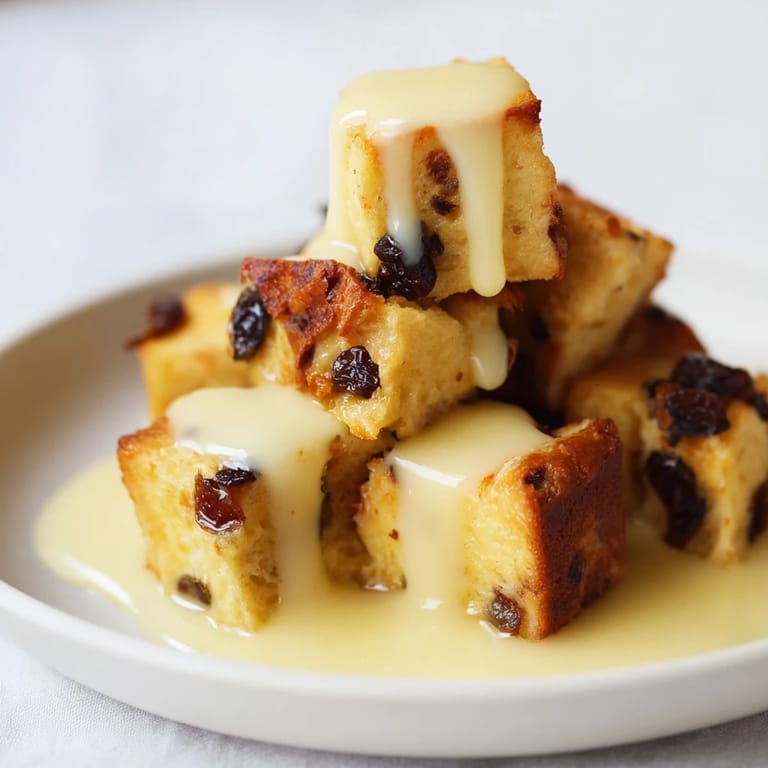
Save My neighbor knocked on the door one Tuesday evening with a loaf of day-old brioche she'd overbought, and by pure accident, that bread became the foundation of one of my most-requested desserts. I'd never thought much about bread pudding until that moment—it seemed like the kind of old-fashioned dish my grandmother made, all brown and heavy. But something about that soft, buttery bread soaking into a vanilla-scented custard changed my mind completely, and now I find myself deliberately leaving bread on the counter to stale, waiting for the excuse to make it.
I made this for a dinner party on a chilly November night, and I remember standing in the kitchen listening to the pudding puff up in the oven while my friends laughed loudly in the next room. When I brought it out with the warm sauce cascading over the top, the whole table went quiet for just a second, and then someone asked for seconds before even finishing the first bite.
Ingredients
- Stale bread, cubed (about 6 cups): French bread or brioche works beautifully because it's rich enough to soak up the custard without dissolving into mush—let it sit out for a day or two before using.
- Raisins (1 cup): These plump up as they bake and give you little bursts of sweetness, but don't shy away from swapping in dried cranberries or chopped dates if that's what you have.
- Whole milk and heavy cream (2 cups and 1 cup): The combination gives you that silky, luxurious texture that makes people think you've fussed way more than you actually have.
- Eggs (4 large): These bind everything together and give the pudding its custard-like center, so don't skip them or use fewer.
- Granulated sugar (3/4 cup): This sweetens the custard without overpowering the vanilla—taste the mixture before pouring if you like things sweeter.
- Vanilla extract (2 tsp): Real vanilla makes a noticeable difference here, so use the good stuff if you can.
- Spices—cinnamon and nutmeg (1/2 tsp and 1/4 tsp): These warm spices are subtle but essential, adding a gentle depth that makes people ask what's in it.
- Salt (1/4 tsp): Just enough to balance the sweetness and make the vanilla sing.
- Unsalted butter, melted (2 tbsp): This enriches the custard and gives the pudding a tender crumb.
Tired of Takeout? 🥡
Get 10 meals you can make faster than delivery arrives. Seriously.
One email. No spam. Unsubscribe anytime.
Instructions
- Prep your dish:
- Preheat your oven to 350°F and give a 9x13 inch baking dish a light coating of butter so nothing sticks. This small step saves you frustration later.
- Arrange bread and raisins:
- Spread your bread cubes evenly in the dish and scatter the raisins over the top—think of it as building a foundation that the custard will seep into.
- Mix the custard:
- In a large bowl, whisk together milk, cream, eggs, sugar, vanilla, cinnamon, nutmeg, salt, and melted butter until the mixture is smooth and pale. You want no streaks of egg white visible.
- Pour and soak:
- Pour the custard evenly over the bread and raisins, then gently press the bread down a few times so it starts absorbing the liquid right away. Let it sit for about 10 minutes—this is when the magic really starts.
- Bake until golden:
- Slide the dish into the oven and bake for 40–45 minutes until the top is puffed and golden and a knife inserted in the center comes out clean. The pudding should jiggle just slightly when you shake the pan.
- Make the sauce:
- While the pudding bakes, combine cream, sugar, and butter in a small saucepan over medium heat, stirring occasionally until the sugar dissolves and the mixture begins to simmer. Off the heat, stir in vanilla extract and a pinch of salt, then let it cool slightly.
- Serve warm:
- Let the pudding cool for just a few minutes so you don't burn yourself, then serve generous portions with the warm sauce drizzled over the top.
 Save
Save My daughter asked me once why I always made this for her birthday instead of a traditional cake, and I realized it was because it reminded me of being held and cared for—there's something about warm bread and custard and cream that feels like love in a bowl. Since then, bread pudding has become our thing, the dessert that means comfort and celebration all at once.
When to Make This
This is the dessert I reach for on cold evenings when I want something warm and satisfying, or when I'm cooking for people I want to impress without spending hours in the kitchen. It's equally at home after a simple weeknight dinner or as the grand finale to a dinner party, and it reheats beautifully so you can make it a day ahead if you need to.
The Sauce Matters More Than You Think
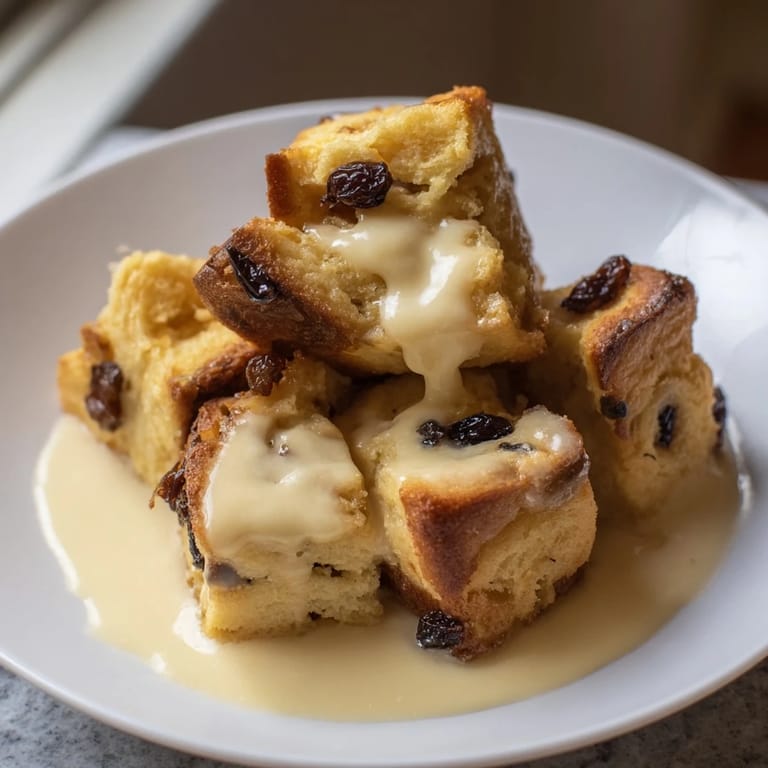
I learned this the hard way the first time I made bread pudding without the sauce—it was fine, but the moment I poured that warm vanilla cream over the top, it transformed into something transcendent. The sauce isn't a garnish; it's the thing that turns a good dessert into one people actually remember.
Creative Twists and Make-Ahead Magic
Once you get comfortable with the basic recipe, it's fun to play around with different mix-ins and flavor variations depending on what you're craving or what's in your pantry. A splash of bourbon or rum in the custard adds warmth and sophistication, while swapping the raisins for chocolate chips turns it into something almost decadent.
- You can assemble the pudding up to 8 hours ahead, cover it, and bake it when you're ready—the flavors actually deepen as it sits.
- Leftovers keep for a few days in the fridge and warm up gently in a 300°F oven without drying out.
- Don't skip the vanilla extract in the sauce even if you're in a rush; it's the ingredient that makes people close their eyes and smile.
 Save
Save There's something honest about bread pudding—it's humble and generous, asking only that you have bread to spare and a little time. Serve it warm, watch people's faces, and understand that you've just given them something far more valuable than dessert.
Recipe FAQs
- → What type of bread works best?
Stale French bread or brioche are ideal as they absorb custard well and add a tender texture.
- → Can I substitute the raisins?
Yes, dried cranberries, chopped dates, or chocolate chips make excellent alternatives.
- → How do I know when it’s done baking?
The pudding will be puffed, golden, and a knife inserted in the center should come out clean.
- → What does the sauce consist of?
The sauce is made from cream, sugar, butter, and vanilla, gently cooked until smooth and warm.
- → Can leftovers be reheated?
Leftovers reheat well in the oven or microwave for a quick warm treat.
- → Are there any common allergens?
This dish contains gluten, dairy, and eggs. Check dried fruit packages for possible sulphites.