 Save
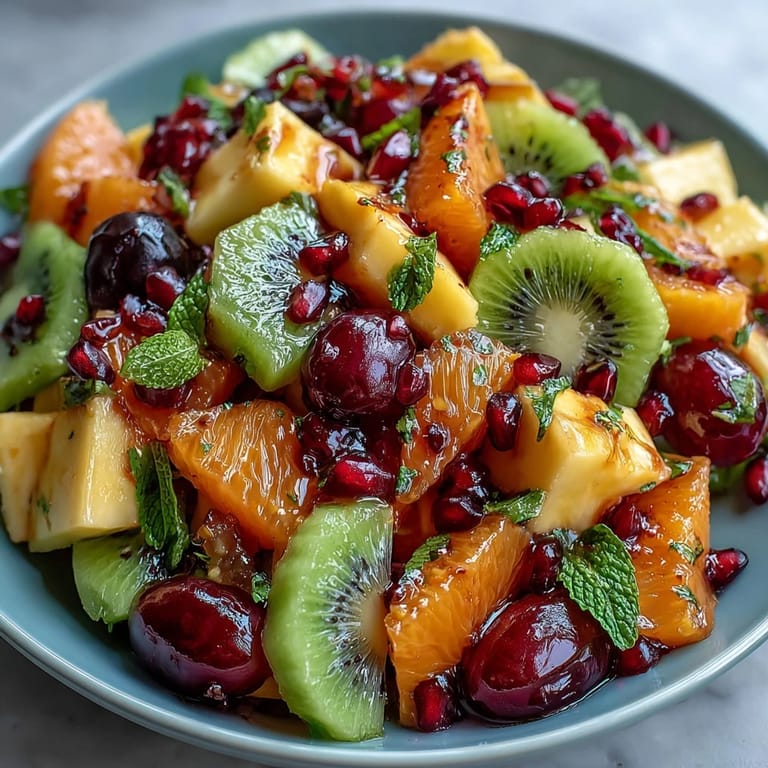
Save There's something about watching someone's face light up when they see a fruit display that makes all the knife work worth it. I discovered this while setting up for a summer dinner party when my neighbor mentioned she'd never actually seen a pineapple cut properly before—that moment sparked the idea of creating something that's as much about the visual experience as it is about tasting fresh, cold fruit. The beauty of this tropical arrangement is that it requires zero cooking, just thoughtful preparation and a willingness to play with color and shape like you're painting instead of plating.
I made this spread for my sister's engagement brunch, and watching three generations of our family standing around the table, picking through those jewel-toned slices while the morning sun hit everything just right, reminded me that food doesn't have to be complicated to feel special. The dragon fruit—with its shocking pink flesh and tiny black seeds—became the conversation starter, which taught me that sometimes the most memorable meals are the ones where people actually pause to notice what they're eating.
Ingredients
- Ripe mangoes (2): Choose ones that yield slightly to pressure and smell fragrant at the stem—this is your tell that they're perfect and not mealy or underripe, which would throw off the whole vibe.
- Large pineapple (1): The weight in your hand matters more than the look; a heavier pineapple means more juice and sweetness, so don't skip that squeeze test.
- Kiwis (2): These add brightness and a gentle tartness that balances the deeper sweetness of mango and pineapple beautifully.
- Papaya (1): Slice this last or it oxidizes quickly, and keep it separate until you're ready to assemble so the color stays vibrant.
- Dragon fruit (1): This is purely for visual drama, but the mild, subtle flavor won't compete with bolder fruits.
- Seedless red grapes (1 cup): They stay perfectly round and add pockets of sweetness plus a nice textural contrast to the softer fruits.
- Fresh strawberries (1 cup): Hulled and halved lengthwise so you see that beautiful inner pink—it matters for the presentation.
- Blueberries (1 cup): These nestle into gaps and add tiny bursts of flavor, plus they photograph beautifully in afternoon light.
- Fresh mint leaves (1/4 cup): Tear these with your hands rather than cutting so they release oils and stay fresher-looking on the display.
- Lime wedges: Not just for garnish—they're essential because a squeeze of lime juice brightens every single fruit and keeps everything tasting alive.
- Vanilla Greek yogurt (1 cup, optional): If you're making the dipping sauce, this creamy element becomes a luxurious counterpoint to the bright fruit.
- Honey or agave syrup (1 tablespoon, optional): Drizzle this into the yogurt sauce, not over the fruit, so nothing gets sticky or weeps.
Tired of Takeout? 🥡
Get 10 meals you can make faster than delivery arrives. Seriously.
One email. No spam. Unsubscribe anytime.
Instructions
- Get everything prepped and chilled:
- Set out all your fruits and tools before you start cutting—this feels obvious until you're halfway through and realize you haven't chilled your platter, which actually matters because cold fruit tastes crisper and stays fresher longer. I do this the morning of, cutting everything into a large bowl, covering it with plastic wrap, and letting it sit in the coldest part of the fridge until it's time to arrange.
- Start with the anchor fruits:
- Arrange your mango slices and pineapple spears first, either fanned out from a center point or layered like they're leaning against each other—this creates the foundation that everything else nestles into. Think about how light will hit the platter; the yellow and golden tones of these two fruits look stunning as your visual base.
- Build outward with color in mind:
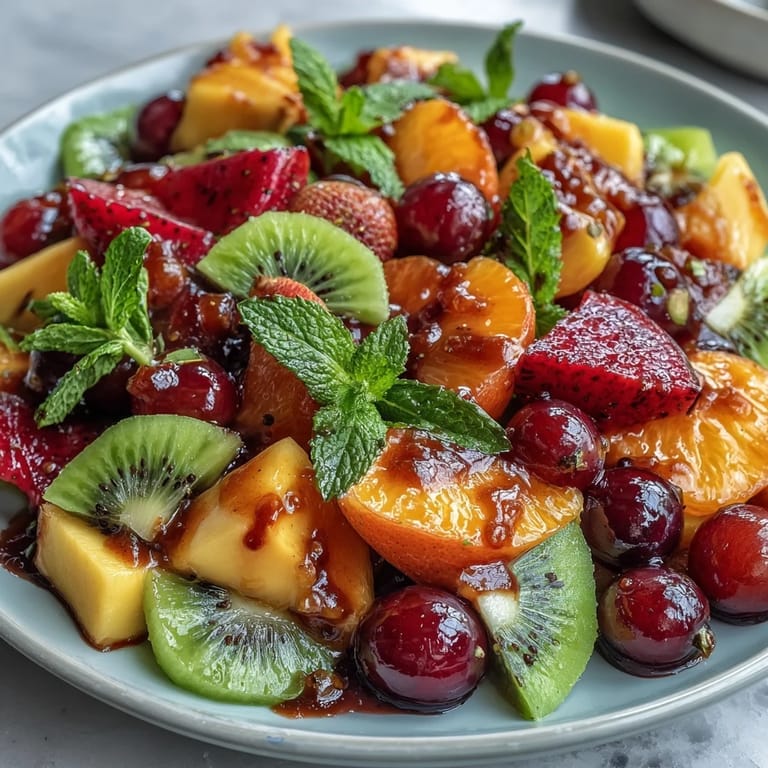
- Place the papaya, dragon fruit, and kiwis next, aiming for a pattern where no two similar colors sit directly next to each other—this isn't about being rigid, just thoughtful. Let some fruits overlap slightly so it feels abundant and lived-in, not sterile.
- Fill the gaps with smaller fruits:
- Scatter your grapes, strawberries, and blueberries into the spaces, letting them roll naturally so they look placed rather than scattered. These smaller fruits prevent the display from feeling too formal and add visual texture.
- Finish with garnish and last-minute touches:
- Just before serving, tuck mint leaves into pockets and around the edges, then scatter lime wedges nearby. If you're adding the yogurt sauce, pour it into a small bowl and set it off to the side so people can help themselves.
- Keep everything chilled until the moment you serve:
- Don't let this sit at room temperature—fruit starts to oxidize and sweat, and the whole thing loses its sparkle. When you pull it from the fridge, that cold hits people immediately and makes every bite taste fresher.
 Save
Save There was a moment during that brunch when a six-year-old bit into a piece of dragon fruit and announced she'd never seen fruit that was pink on the outside and white on the inside, and suddenly everyone was asking questions, comparing notes, tasting everything with renewed attention. That's when I understood that this arrangement isn't really about being fancy—it's about creating an experience where people remember what they eat.
The Science of Ripeness
Understanding how to judge ripeness changed my approach to fruit displays entirely. A mango should give slightly when you press the skin near the narrow end, not the bulbous cheeks where firmness can be deceiving. Pineapples need weight and a slight fragrance; color alone means almost nothing. I learned this through frustrating trial and error, showing up to gatherings with fruit that was either rock-hard or borderline mushy, until someone at a farmer's market took the time to teach me the feel, the smell, the specific qualities that indicate a fruit is actually ready to eat. Now I plan these displays around fruit I've selected carefully, sometimes days in advance, knowing exactly when it'll be at its peak.
Arrangement Patterns That Actually Work
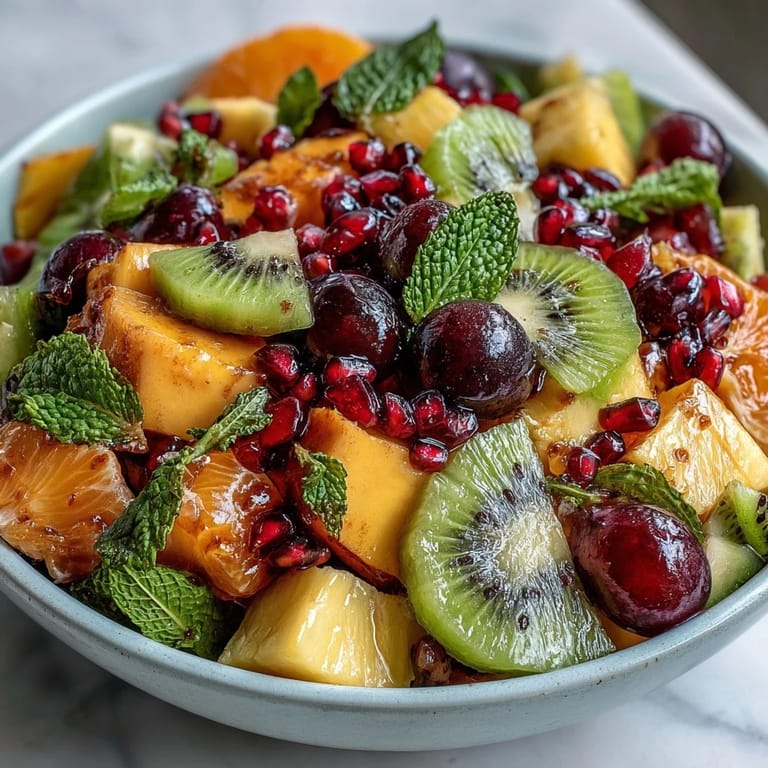
The first display I made looked chaotic because I was treating it like I needed to use every inch of space equally. What I've since learned is that visual appeal comes from strategic repetition and intentional color placement. The eye wants to follow a pattern, even a loose one, so I'll create sections where certain fruits cluster, letting colors breathe. Think about how a sunset isn't random—it's layered in a way that feels natural. That's what you're aiming for here. Sometimes I arrange in concentric circles, sometimes in an organic wave pattern, but I always leave some white space on the platter so the food doesn't feel crowded or chaotic.
Timing, Temperature, and Optional Touches
Temperature is your invisible weapon with fruit displays—everything tastes noticeably better when it's cold, and that crispness matters more than people realize. I've learned to prep everything at least four hours ahead and keep it chilled right up until serving time. If you want to elevate this without adding complexity, consider a few finishing options that I've discovered make people pause and ask questions. Edible flowers like pansies or nasturtiums add color and a sense of occasion; toasted coconut flakes provide texture and a subtle nutty note that complements tropical fruit perfectly; a light drizzle of lime zest over the top adds aroma and brightness.
- If you're serving this at brunch, a sparkling wine pairing or tropical punch sitting nearby makes people feel celebrated rather than just fed.
- The yogurt dipping sauce can be made hours ahead, which means you have one less thing to think about when people arrive.
- Keeping extra lime wedges nearby means guests can adjust the tartness of their bites, which gives them agency and makes the whole experience feel more interactive.
 Save
Save This display has become my go-to for situations where I want to contribute something that feels both generous and achievable. It's taught me that sometimes the most memorable food moments are built from simplicity and intention rather than complexity.
Recipe FAQs
- → What fruits are included in this display?
The arrangement features mangoes, pineapples, kiwis, papaya, dragon fruit, red grapes, strawberries, and blueberries for a tropical variety.
- → How should the fruits be prepared?
All fruits should be peeled, pitted or seeded, and sliced or cut into attractive chunks or spears for easy serving and presentation.
- → Can the display be made ahead of time?
Yes, prepare and assemble the fruit platter shortly before serving and keep it chilled to maintain freshness and color.
- → What optional garnishes enhance the display?
Fresh mint leaves and lime wedges add aroma and brightness, while edible flowers or toasted coconut flakes provide extra flair.
- → Is there a suggested accompaniment for this fruit arrangement?
An optional dipping sauce made with vanilla or coconut yogurt, honey or agave, and lime zest complements the fruits with a creamy and tangy touch.