 Save
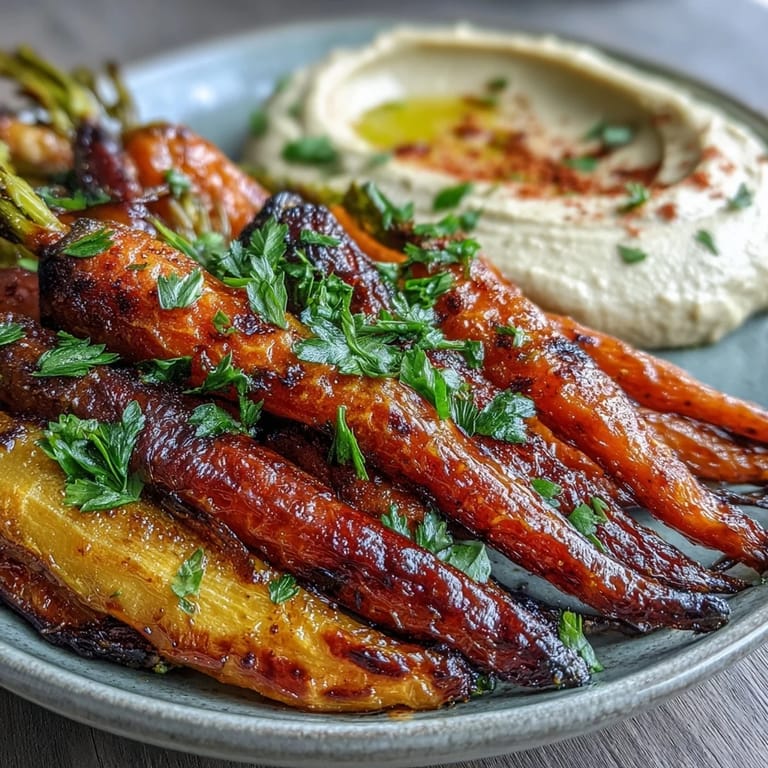
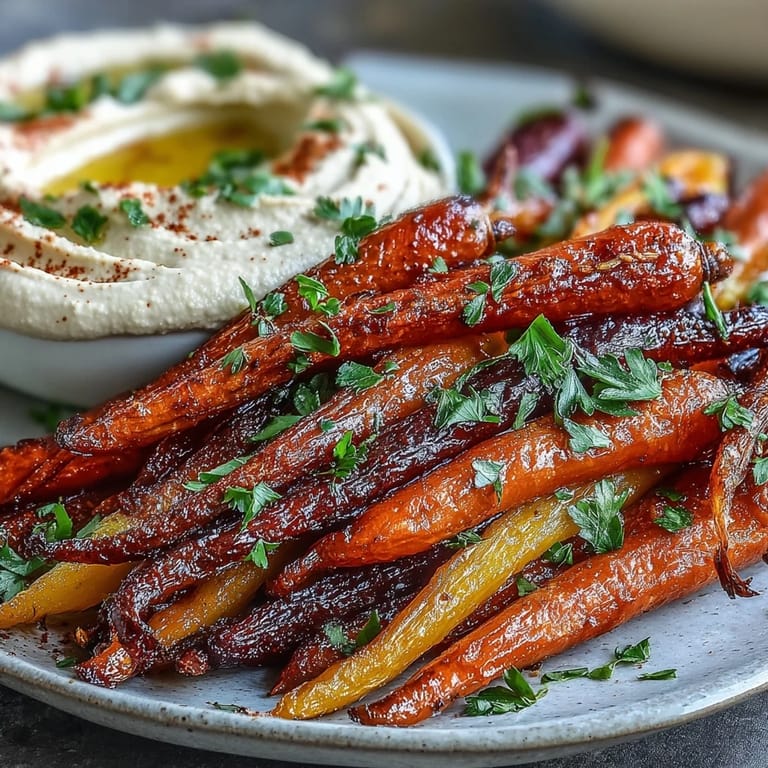
Save My kitchen smelled like caramelized sweetness the afternoon I discovered that rainbow carrots weren't just a farmers market gimmick—they were actually worth seeking out. I'd grabbed a bunch on impulse, uncertain what to do with them, and decided roasting might rescue whatever potential they held. That simple choice turned into something unexpectedly beautiful: a platter of jewel-toned vegetables that made people pause before eating, then reach for seconds. Paired with hummus I'd finally mastered after years of using store-bought versions, it became the kind of dish that feels special without demanding much from you.
I served this to my sister during an unannounced visit on a Tuesday evening, plating it half-asleep but proud anyway. She sat on the kitchen stool, picked up a golden carrot stick, dragged it through the hummus, and just closed her eyes for a moment. That's when I knew I'd stumbled onto something worth repeating, something that turned a casual snack into an actual moment.
Ingredients
- Rainbow carrots (1 lb): The real star here—look for a mix of purple, orange, and yellow varieties if you can find them, though orange alone works fine too; they're sturdy enough to handle roasting without falling apart.
- Olive oil (3 tbsp total): Use your good stuff for drizzling the finished hummus, but regular olive oil is perfectly fine for roasting the carrots.
- Sea salt and black pepper: Don't skip the freshness of grinding your own pepper; it genuinely tastes different from the pre-ground kind.
- Ground cumin (1 tsp total): This spice bridges the carrots and hummus, giving everything a warm, earthy backbone that makes people ask what that flavor is.
- Canned chickpeas (one 15 oz can): Drain and rinse them thoroughly; the starchy water that clings to them makes the hummus gluey rather than creamy.
- Tahini (1/4 cup): This is non-negotiable for real hummus; make sure it's fresh because rancid tahini will ruin everything, and store it in the fridge after opening.
- Fresh lemon juice (2 tbsp): Bottled is acceptable in a pinch, but fresh squeezed truly matters here because it's one of only two main flavor drivers.
- Garlic (1 clove, minced): One clove is enough; more than that and it becomes aggressive, which I learned the embarrassing way by going overboard early on.
- Cold water (2–3 tbsp): Add it slowly while blending until the hummus reaches that thick, spoonable texture rather than a dense paste.
- Fresh parsley and smoked paprika: These are your finishing touches, transforming a simple plate into something that looks like you actually tried.
Tired of Takeout? 🥡
Get 10 meals you can make faster than delivery arrives. Seriously.
One email. No spam. Unsubscribe anytime.
Instructions
- Heat your oven and prep:
- Set the oven to 425°F and line a baking sheet with parchment paper so cleanup is effortless. This temperature is hot enough to caramelize the carrots' natural sugars without burning them.
- Season the carrots:
- Toss your rainbow carrots with olive oil, salt, pepper, and cumin if using it, making sure every piece gets coated. The cumin is optional but it adds a subtle warmth that anchors the whole dish.
- Roast until golden:
- Spread them in a single layer and roast for 25–30 minutes, giving them a gentle stir halfway through. They're done when the thickest ones are fork-tender and the edges are caramelized and slightly charred.
- Build your hummus:
- While carrots roast, add chickpeas, tahini, olive oil, lemon juice, minced garlic, cumin, and salt to a food processor. Blend until completely smooth, which takes longer than you'd expect—usually 2–3 minutes of steady processing.
- Adjust the texture:
- Add cold water one tablespoon at a time, blending between additions until you reach that creamy, spoonable consistency rather than a stiff paste. It should hold its shape but still move easily on a spoon.
- Taste and correct:
- Take a spoonful and really taste it, adjusting salt or lemon juice until it sings. The beauty of homemade hummus is you control exactly how much of each flavor you want.
- Plate and serve:
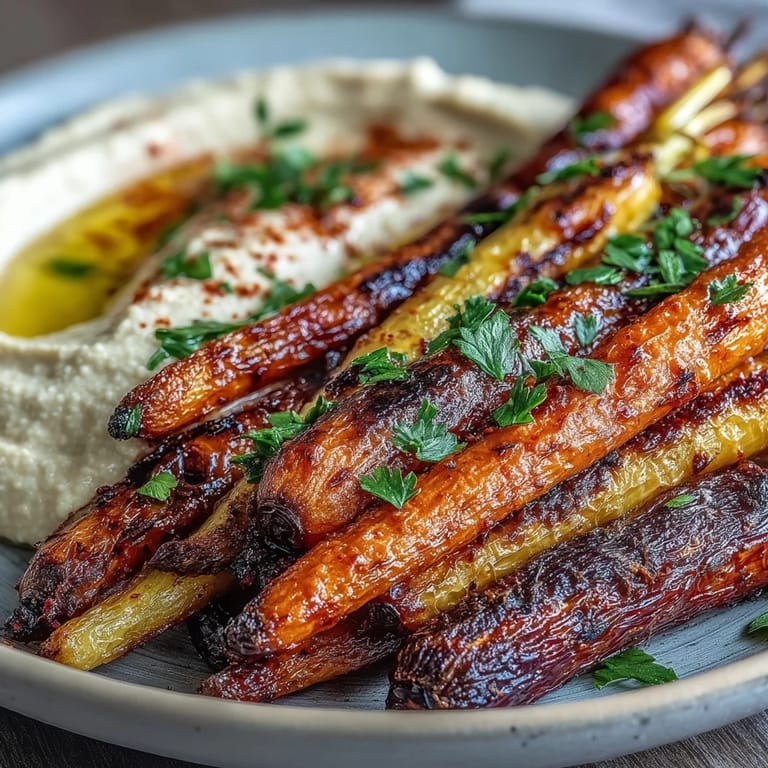
- Transfer hummus to a serving bowl and create a shallow well in the center, drizzling a little good olive oil and sprinkling paprika if you have it. Arrange your roasted carrots on a platter alongside, scattered with fresh parsley, and serve while the carrots are still slightly warm.
 Save
Save There's something genuinely moving about sitting around a platter of food you made yourself, especially when it's colorful enough to feel like celebration but simple enough that no one feels obligated to compliment your effort. This dish does that—it feels generous without being complicated, which might be the definition of a perfect appetizer.
Why This Dish Works Every Single Time
Roasting is honestly forgiving; carrots are naturally sweet and almost impossible to mess up once they hit the oven. The hummus, meanwhile, rewards patience—the longer you blend it, the creamier it becomes, so even if you think you're done, blend for another minute. Together they create a platter that looks intentional even though you barely spent time on it.
Variations Worth Trying
Once you understand the foundations here, this dish becomes a launching point. I've added roasted beets for extra earthiness, tossed in toasted pine nuts for crunch, and even stirred roasted red pepper into the hummus for a completely different color and subtle sweetness. The cumin can become za'atar, the tahini-forward hummus can lean into lemon or garlic if you adjust proportions, and the carrots themselves can share the platter with roasted broccoli or cauliflower if you're feeding more people than you expected.
Serving and Storage
This works beautifully as a standalone appetizer, but I also serve it with warm pita bread, crispy chips, or a scattered handful of raw vegetables if I'm aiming for more substance. The hummus keeps in an airtight container in the fridge for about five days, while leftover carrots are perfect crumbled into grain bowls, tossed through salads, or honestly just eaten cold straight from the fridge as a snack.
- Drizzle the hummus with good olive oil and a pinch of paprika just before serving—it's a small gesture that makes everything look finished.
- If your carrots cool completely and lose their appeal, warm them gently in a 300°F oven for five minutes; they'll brighten back up.
- Make the hummus at least an hour ahead so it has time to chill and the flavors can settle into something cohesive.
 Save
Save This combination has become my go-to when someone asks what to bring to a gathering or when I need to feed unexpected guests without stress. It's the kind of dish that proves the best meals don't require complicated techniques, just good ingredients treated with attention and care.
Recipe FAQs
- → What makes rainbow carrots special?
Rainbow carrots offer varied flavors—purple tend to be earthier, orange are classic sweet, and yellow varieties are milder. Their different pigments provide diverse antioxidants while creating an eye-catching presentation that elevates any gathering.
- → How do I get the smoothest hummus texture?
Blend chickpeas thoroughly before adding liquid ingredients. The cold water technique creates an exceptionally creamy consistency—add it gradually while the processor runs. For ultimate silkiness, peel chickpeas or use high-quality tahini mixed well before incorporating.
- → Can I prepare these components ahead?
The hummus actually improves after resting refrigerated for 24 hours as flavors meld. Carrots can be seasoned and prepped a day in advance, then roasted just before serving. Reheat roasted carrots at 375°F for 8-10 minutes to restore tenderness.
- → What other vegetables work well with this hummus?
The creamy tahini base complements roasted root vegetables like parsnips, beets, and sweet potatoes. Raw options include bell pepper strips, cucumber rounds, radish slices, and blanched green beans for contrasting textures.
- → How can I adjust the flavor profile?
Add warmth with Aleppo pepper or sumac to the hummus. Enhance roasted carrots with fresh thyme, rosemary, or a honey drizzle. For brightness, incorporate preserved lemon or za'atar. The tahini base adapts beautifully to various spice combinations.