 Save
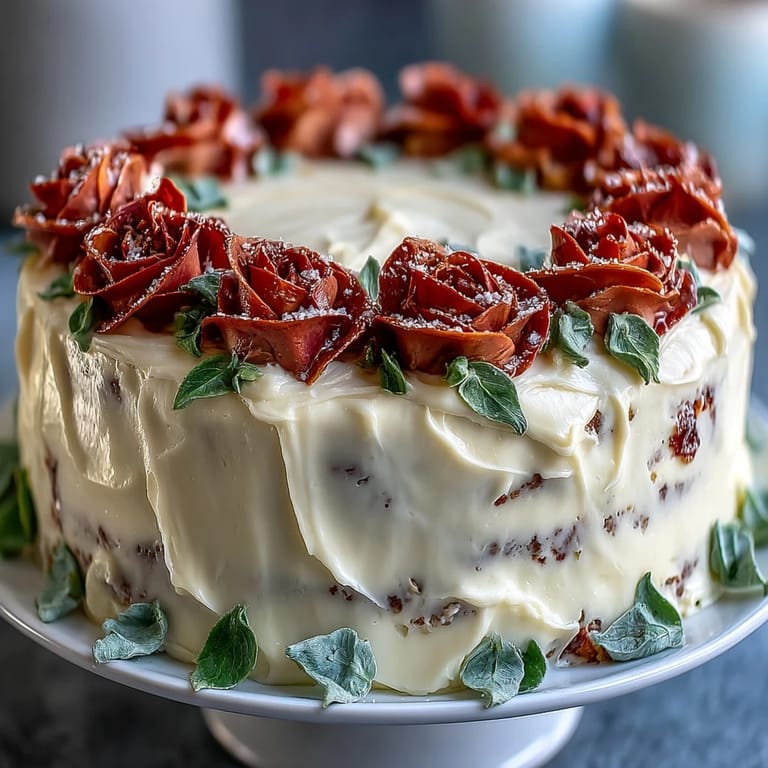
Save There's something magical about baking a cake that's meant to mark a milestone. My cousin called me three days before her graduation asking if I could make her a cake, and I remembered watching my grandmother pipe buttercream roses years ago, thinking it looked impossibly difficult. This sheet cake became my answer, and somehow, between the soft vanilla crumb and those delicate piped flowers, it transformed from just dessert into a celebration on a platter. The beauty of it is that it's not nearly as intimidating as it looks.
I'll never forget the quiet moment before the party when my cousin came into the kitchen and just stood there, looking at the finished cake. She didn't say much, just smiled and took a photo, but I realized then that this cake had become part of her memory of that day. It wasn't just about the taste anymore; it was about showing up for someone and putting care into something beautiful and handmade.
Ingredients
- All-purpose flour: The foundation that keeps the cake tender without being dense; measuring by weight gives you the most reliable results if you have a scale.
- Baking powder and baking soda: These work together to lift the cake gently, creating that soft, cloud-like crumb that makes people reach for seconds.
- Unsalted butter: Both in the cake and the buttercream, room temperature is non-negotiable because cold butter won't cream properly and will leave you with lumps.
- Granulated sugar: The creaming process with butter is where the magic happens, so don't rush those 3 to 4 minutes of mixing.
- Eggs: Room temperature eggs incorporate smoothly and create a more uniform batter; cold eggs can cause everything to seize up and separate.
- Vanilla extract: Use real vanilla, not imitation, and you'll taste the difference in how it rounds out the sweetness.
- Whole milk: Room temperature milk prevents shocking the batter and keeps the texture moist without being gummy.
- Powdered sugar: Sifting it before you start prevents lumps in your buttercream, saving you from grainy frosting.
- Gel food coloring: It's worth seeking out because liquid coloring makes buttercream thin and watery, while gel gives you vibrant color without compromising texture.
Tired of Takeout? 🥡
Get 10 meals you can make faster than delivery arrives. Seriously.
One email. No spam. Unsubscribe anytime.
Instructions
- Prepare your pan and preheat:
- Get your oven going at 350°F while you line a 12x18-inch sheet pan with parchment paper and grease the sides. This matters because an oven at temperature bakes evenly, and parchment paper ensures your cake releases without sticking.
- Mix your dry ingredients:
- In a bowl, whisk together flour, baking powder, baking soda, and salt until everything is evenly distributed. The whisking aerates the flour slightly and ensures the leavening agents are spread throughout.
- Cream butter and sugar:
- Beat room-temperature butter and sugar together for 3 to 4 minutes until it's pale and fluffy, which incorporates air and creates a lighter cake. You'll notice the mixture go from grainy and dense to almost mousse-like.
- Add eggs and vanilla:
- Add eggs one at a time, beating well after each, so each one fully incorporates before the next arrives. The vanilla should go in after the last egg, and you'll hear the mixer change slightly as the batter becomes silky.
- Alternate flour and milk:
- Start with flour, then milk, then flour again, mixing just until combined each time to avoid overworking the batter. Overmixing develops gluten and can make your cake tough, so your goal is just until you don't see streaks of flour anymore.
- Bake with patience:
- Pour batter into the pan, smooth the top, and bake for 30 to 35 minutes until a toothpick inserted in the center comes out clean. The kitchen will smell incredible, but resist peeking too often as it lets heat escape.
- Cool completely:
- This is crucial: let the cake cool all the way in the pan on a wire rack before you touch it. A warm cake is fragile and will crumble when you frost it.
- Make your buttercream:
- Beat butter until creamy, gradually add sifted powdered sugar, then add milk and vanilla, beating for about 5 minutes until it's smooth and fluffy. The longer you beat it, the lighter and more whipped it becomes, which makes piping easier.
- Tint your frosting:
- Divide buttercream into bowls and add gel coloring a tiny bit at a time, mixing well before adding more. Gel coloring is potent, so you'll use far less than you'd expect, and it won't thin out your frosting.
- Frost the base:
- Spread a thin, smooth layer of white buttercream across the cooled cake using an offset spatula. This base layer seals in crumbs and gives you a clean canvas for piping.
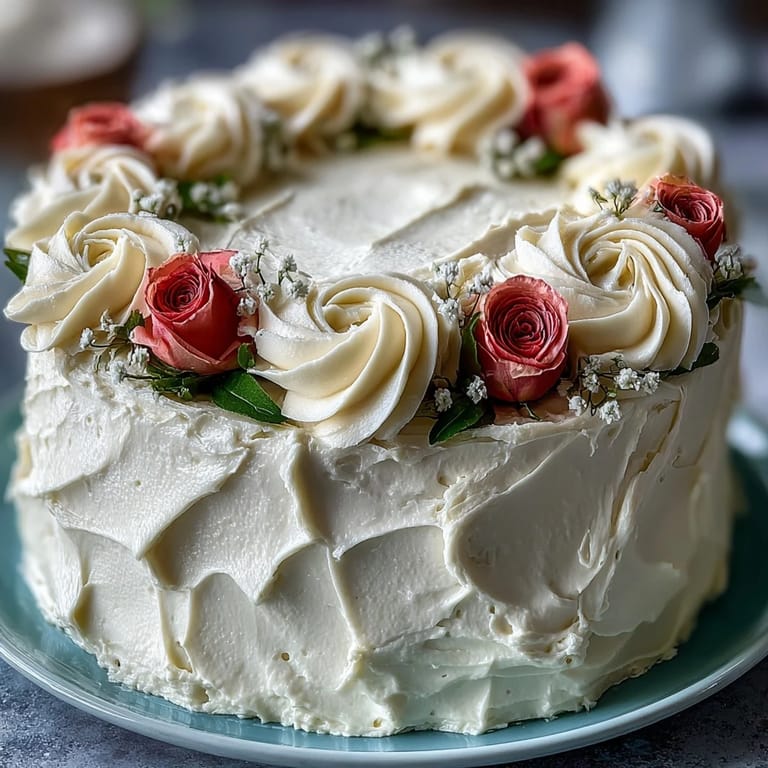
- Pipe your roses and leaves:
- Fit piping bags with petal tips for roses and leaf tips for greenery, then pipe roses around the cake focusing on corners and edges. Start with pressure, then release slightly as you pull away to create realistic-looking petals.
- Add your message:
- Use a small round tip and white or contrasting buttercream to write a congratulations message or personalized text. Piping letters is looser and more forgiving than you might think.
 Save
Save There's a particular joy in standing back and looking at a cake you've made, especially one decorated with your own hands. My hands were shaking a little when I piped the final rose on my cousin's cake, but when everyone leaned in to admire it and then taste it, all those small moments of doubt dissolved into pure satisfaction.
The Art of Piping Without Panic
The first time I tried piping roses, I expected them to look like the ones in magazine pictures immediately, and they didn't, and that was fine. What I discovered is that piping is a rhythm: pressure, movement, release. After maybe ten roses, my hand remembered what to do without my brain getting in the way. Start with less pressure than you think you need, and don't expect perfection on rose number one; your seventh will look so much better that you'll want to scrape off the first ones and redo them.
Storage and Making Ahead
Sheet cakes are wonderfully cooperative about timing. You can bake the cake a day or two before you frost it, wrapped well at room temperature. The buttercream frosting actually stabilizes over several hours in the fridge, making the piped roses hold their shape better. If you're decorating for an event, frost the cake in the morning and keep it cool but not cold, so the buttercream stays firm but not so hard that it cracks when you slice into it.
Variations That Keep Things Interesting
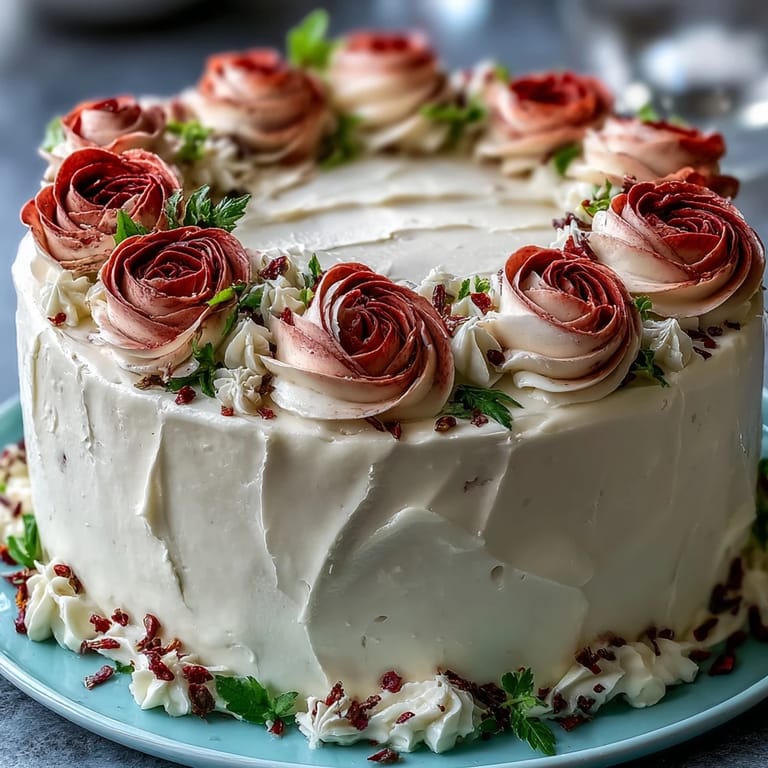
Once you master the vanilla version, you can play with flavors without losing the structure that makes this cake reliable. A chocolate version swaps three-quarters cup of the flour for unsweetened cocoa powder, giving you that deeper richness without compromising texture. You could also infuse the buttercream with lemon zest or add almond extract for subtle complexity, or even brush the cooled cake lightly with simple syrup before frosting to add moisture.
- For chocolate lovers, add cocoa powder in place of some flour and consider piping roses in shades of burgundy, cream, and gold.
- Lemon zest folded into the buttercream pairs beautifully with the vanilla cake and feels fresher and more elegant.
- Remember that any variation works best when you test it once before making it for a big event, so you know exactly how it tastes and handles.
 Save
Save This cake has the rare quality of looking extraordinary while remaining deeply approachable. It's a celebration cake that won't make you feel like you need a baking degree to pull it off.
Recipe FAQs
- → What type of flour is used for the cake?
All-purpose flour is used to provide a balanced texture and structure to the cake.
- → How do I achieve the vibrant colors in the buttercream?
Use gel-based food coloring for rich, non-runny colors when tinting the buttercream for roses and leaves.
- → Can this cake be prepared in advance?
Yes, bake and decorate the cake in advance; store covered at room temperature for up to 2 days or refrigerated for up to 5 days.
- → What tools are needed for decorating the buttercream roses?
Essential tools include piping bags and specific tips such as petal, leaf, and round tips for detailed decoration.
- → Is there a way to make a chocolate version of this cake?
Yes, substitute ¾ cup of all-purpose flour with ¾ cup of unsweetened cocoa powder to create a chocolate variation.